

Who is Tommy Robinson? Background, the English Defence League, legal cases, the October 2026 verdict and online influence, with a balanced timeline.
Tommy Robinson (Stephen Yaxley-Lennon): Biography, EDL History & Latest Court Case
By NYWeekly.co.uk Team · Published 24 October 2026 · Updated 29 October 2026
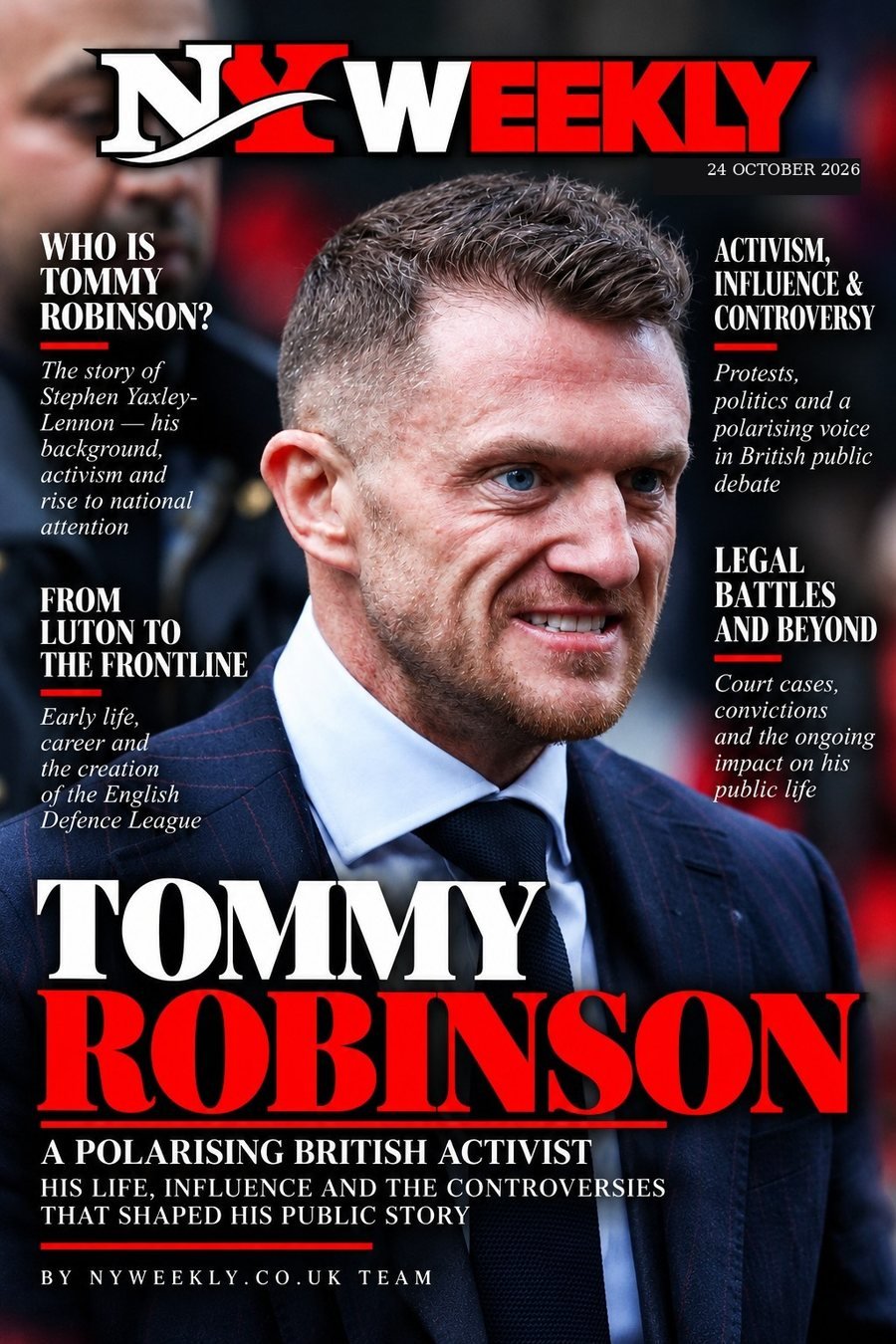
Who is Tommy Robinson?
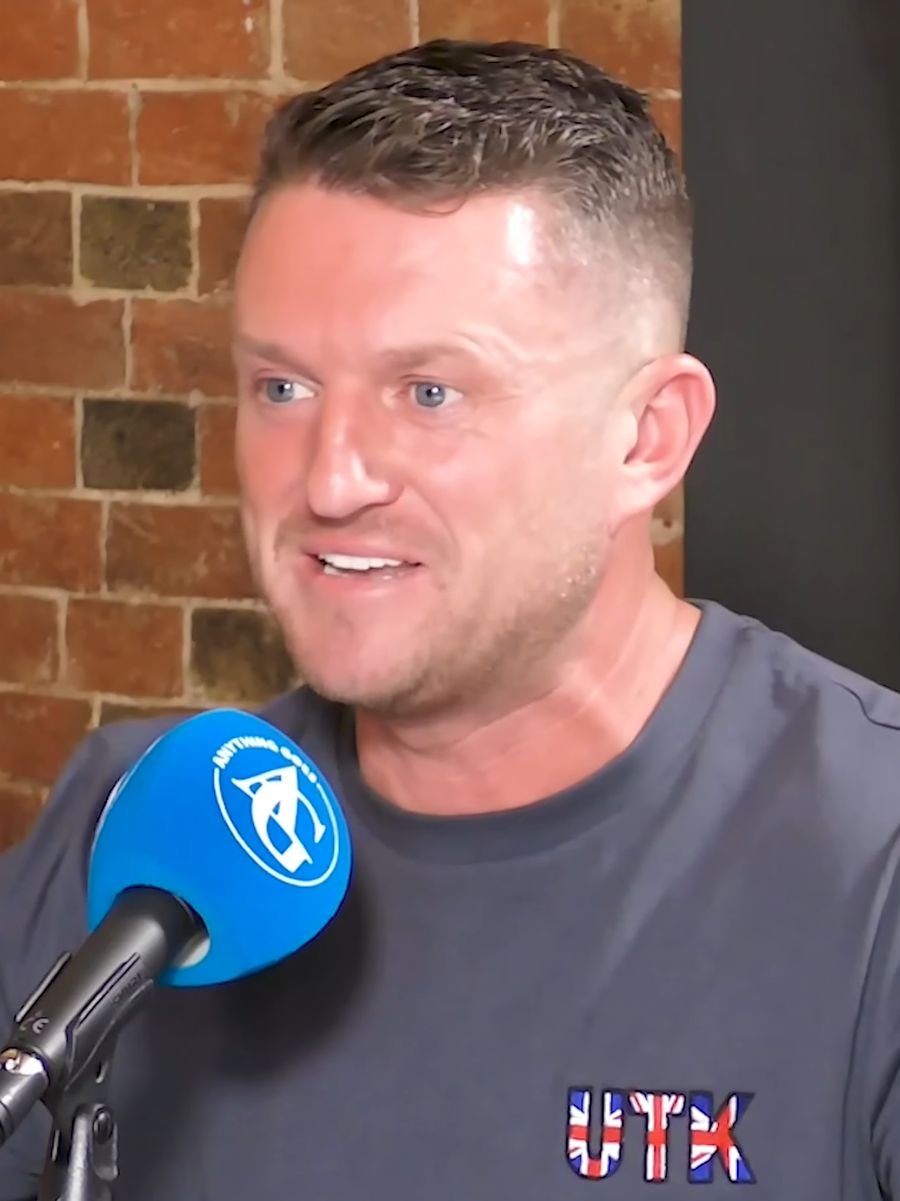
Tommy Robinson is the public name used by Stephen Christopher Yaxley-Lennon, a British political activist best known as a co-founder and former leader of the English Defence League (EDL). His public profile has been shaped by anti-Islam and anti-immigration campaigning, demonstrations, online publishing and repeated legal disputes.
Born on 27 November 1982, he grew up in Luton, Bedfordshire. Before becoming a prominent activist, he worked in various jobs, including an apprenticeship connected with aircraft engineering at Luton Airport. His rise from local activism to a nationally recognised figure was driven by street demonstrations, video and social media.
Supporters often frame him as a free-speech campaigner who challenges institutions. Critics and anti-extremism researchers describe his activism as far-right and anti-Muslim. A balanced profile must distinguish his stated positions from independently documented events and court findings.
The name “Tommy Robinson” became the label most commonly used by supporters, critics and news organisations. His career is a case study in the overlap between protest politics, media attention and online mobilisation.
Quick profile
| Public name | Tommy Robinson |
|---|---|
| Name | Stephen Christopher Yaxley-Lennon |
| Born | 27 November 1982 |
| Hometown | Luton, Bedfordshire, England |
| Known for | Political activism; co-founding and leading the EDL |
The rise of the EDL
How a local protest movement became a national story
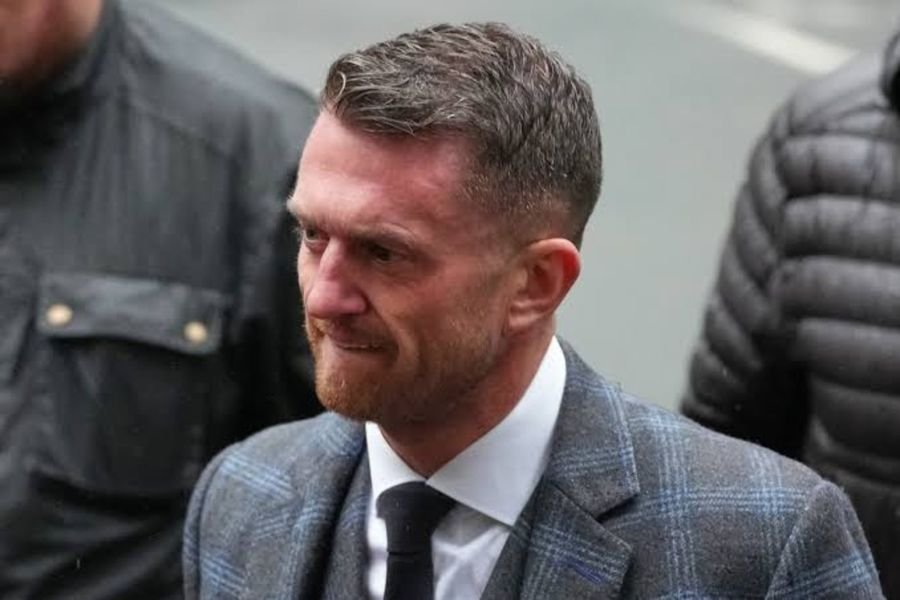
Robinson rose to prominence in 2009, when he helped establish the English Defence League. The group emerged amid tensions around Islamist demonstrations and military homecoming events in Luton. It organised protests across England and used street mobilisation, football-supporter networks and online video to attract attention.
The EDL said it opposed Islamist extremism. Critics argued that its rallies and messaging targeted Muslims more broadly and helped normalise anti-Muslim hostility. Its demonstrations were often confrontational and attracted extensive police and media attention.
Robinson became the group’s most recognisable public figure. He left the EDL in 2013, saying he wanted to move away from street activism and violence. Although the organisation subsequently lost momentum, Robinson continued campaigning through interviews, social media and online video.
His later activism has focused heavily on immigration and Islam. His reach has depended on the speed and emotional force of online distribution, while removals and restrictions on major platforms have also become part of his public story.
Why his name divides opinion
Supporters say Robinson draws attention to issues they believe established institutions underplay. Opponents argue that his rhetoric encourages hostility towards Muslims and migrants. Demonstrations and online engagement demonstrate visibility, but do not by themselves establish the accuracy of claims or represent wider public opinion.
Legal battles and court findings
A public career repeatedly shaped by the justice system
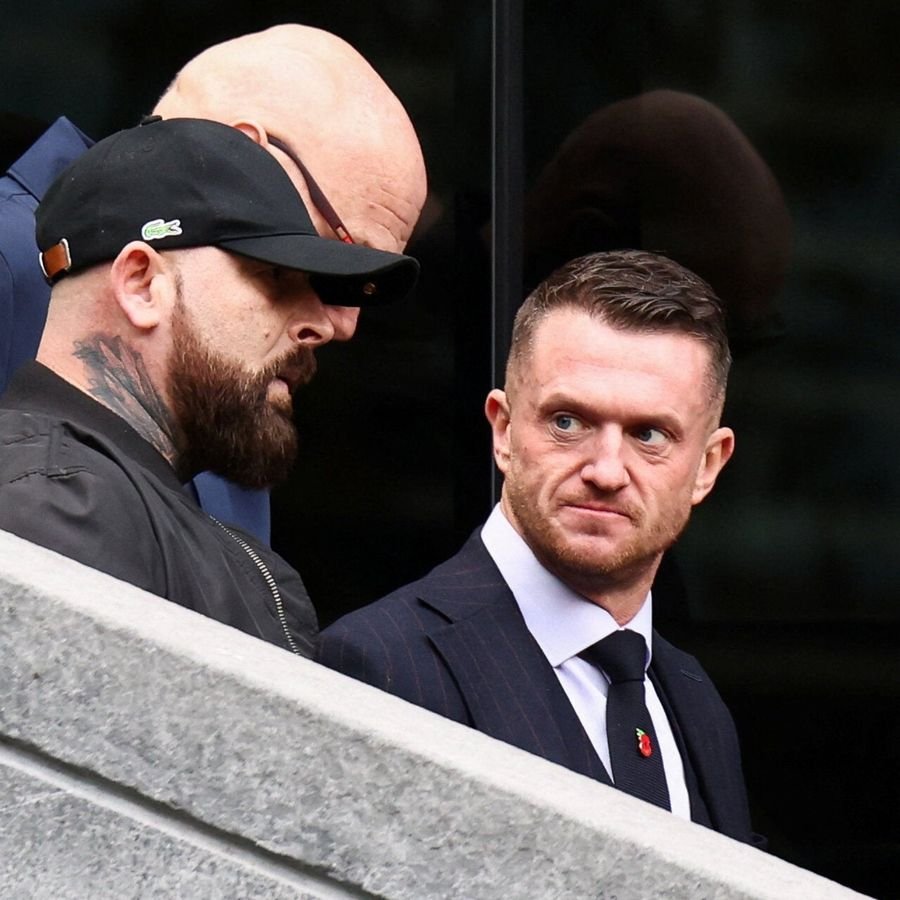
Robinson’s public history includes criminal convictions and court proceedings. His record includes convictions involving assault, public-order offences, use of a false passport and mortgage fraud, as well as later contempt-of-court and harassment matters.
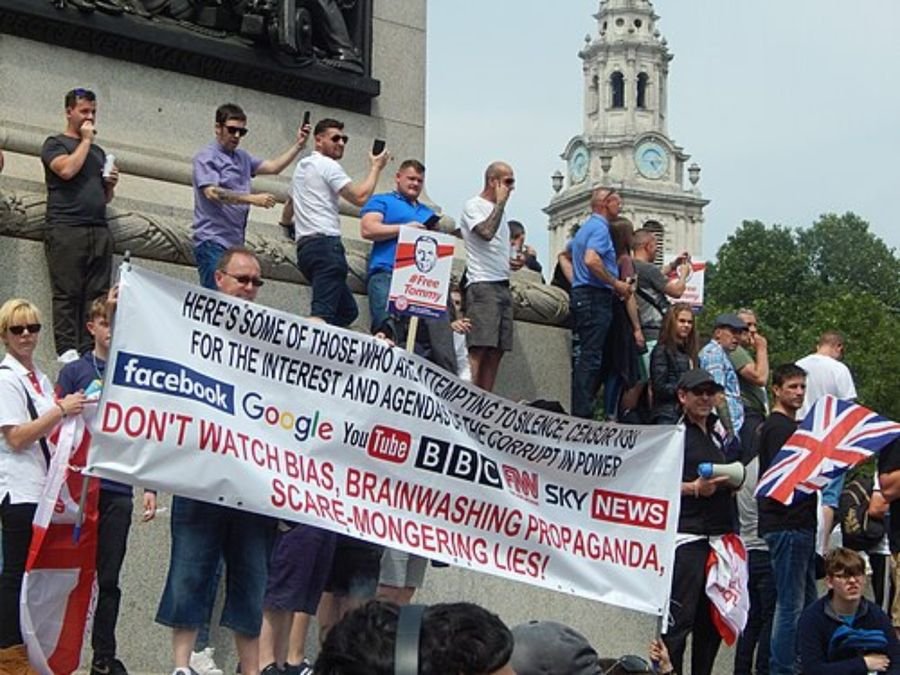
In 2018, he was imprisoned after filming and publishing material connected to a criminal trial subject to reporting restrictions. The case raised questions about open justice, fair-trial protections and online broadcasting, and became central to the “Free Tommy” campaign.
In 2021, Robinson lost a libel case brought by Syrian schoolboy Jamal Hijazi after making false allegations about him. The court ordered damages and costs. In 2024 Robinson admitted contempt of court for repeatedly breaching an injunction preventing him from repeating the allegations and received an 18-month prison sentence.
On 28 October 2026, a jury found Robinson guilty of two counts of harassment causing fear of violence against two journalists. The case concerned communications and online activity directed at the journalists. He was granted bail pending sentencing, scheduled for 16 December 2026. Sentencing had not taken place at the time of writing.
Editorial note: Legal status may change after publication. This feature summarises reported outcomes and is not a substitute for the underlying judgments.
Media, protests and online influence
Why the activist’s message travels far beyond a rally
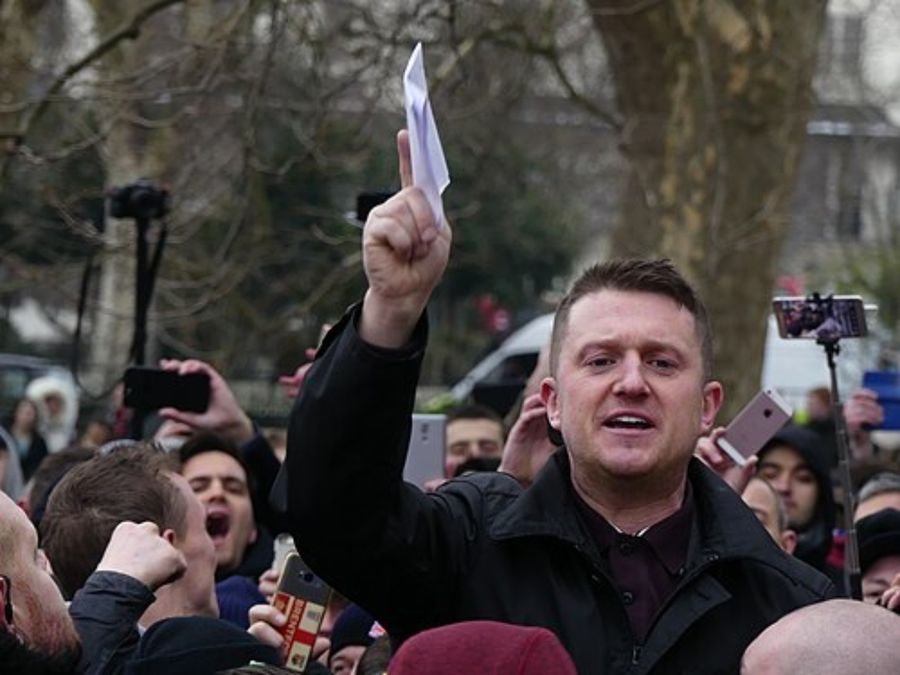
Robinson’s influence has been tied to public demonstrations, direct-to-camera videos, livestreams, interviews and social platforms. These formats let campaigners speak directly to followers, but they can also circulate claims rapidly before they are checked or placed in context.
Supporters say his work brings attention to concerns about immigration and public safety. Critics point to inflammatory language, harassment concerns and the risk that broad claims about communities can fuel prejudice. His public story therefore sits within wider debates about misinformation, platform moderation and political mobilisation.
His visibility is not the same as universal support. Large demonstrations and online engagement can indicate reach, but they do not prove that a claim is accurate or that a majority agrees. Independent reporting, documentary evidence and court records remain essential when assessing contested statements.
Robinson’s rise also shows how a personal brand can outlast an organisation. Although he left the EDL, his name continued to attract media coverage, supporters and opponents, becoming a recurring reference point in debates about immigration, Islam, nationalism and protest.
Related search terms
A timeline of key moments
From Luton beginnings to a high-profile national figure
| 1982 | Born Stephen Christopher Yaxley-Lennon; grew up in Luton, Bedfordshire. |
|---|---|
| 2000s | Worked in various jobs, including an aircraft-engineering apprenticeship. |
| 2009 | Helped establish the English Defence League and became its most recognisable public figure. |
| 2013 | Left the EDL but continued political campaigning and media activity. |
| 2018–19 | A contempt-of-court case involving reporting restrictions brought renewed attention and imprisonment. |
| 2021–24 | Lost a libel case brought by Jamal Hijazi; later admitted contempt for breaching an injunction and received an 18-month sentence. |
| 28 Oct 2026 | Found guilty of two counts of harassment causing fear of violence against journalists; sentencing scheduled for December 2026. |
The bigger picture
Tommy Robinson is a contentious public figure whose impact cannot be reduced to a single headline. Supporters and critics tell sharply different stories about his role in British public life. The most reliable way to understand that story is to read the chronology of his activism alongside documented legal outcomes and the effects of his statements on people targeted by them.
This informational feature does not endorse Robinson’s views or those of his opponents.
Source
Wikipedia biography: https://en.wikipedia.org/wiki/Tommy_Robinson