

Who is Ruby Wax? From Evanston and the Royal Shakespeare Company to Ruby Wax Meets, Absolutely Fabulous and her mental health advocacy: her life and career explained.
Ruby Wax: Biography, Early Life, TV Career & Mental Health Work
By NYWeekly.co.uk Team
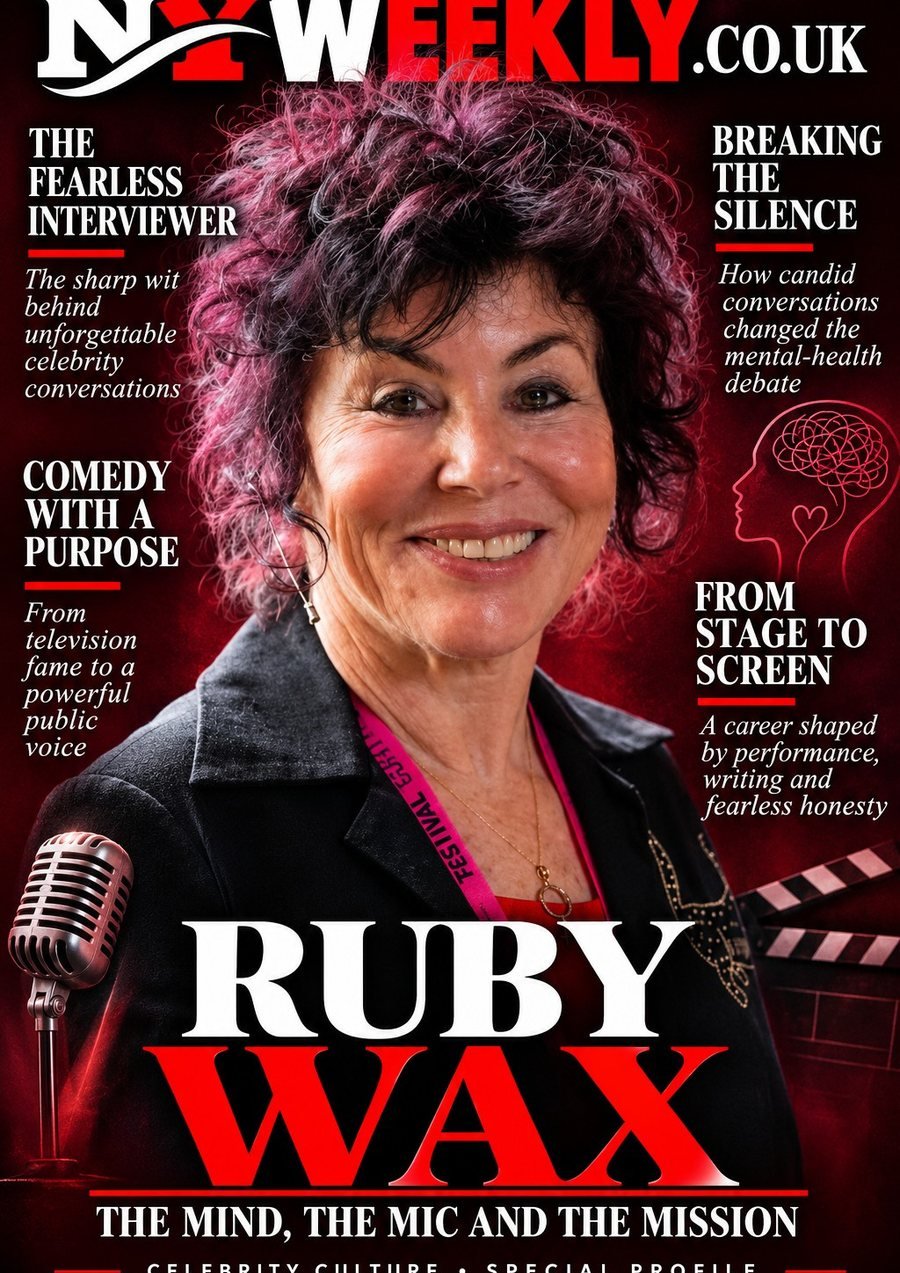
A profile of the American-born British entertainer whose comedy, interviews and candid advocacy helped bring mental health into mainstream conversation.
Who Is Ruby Wax? The Story Behind the Sharp Wit
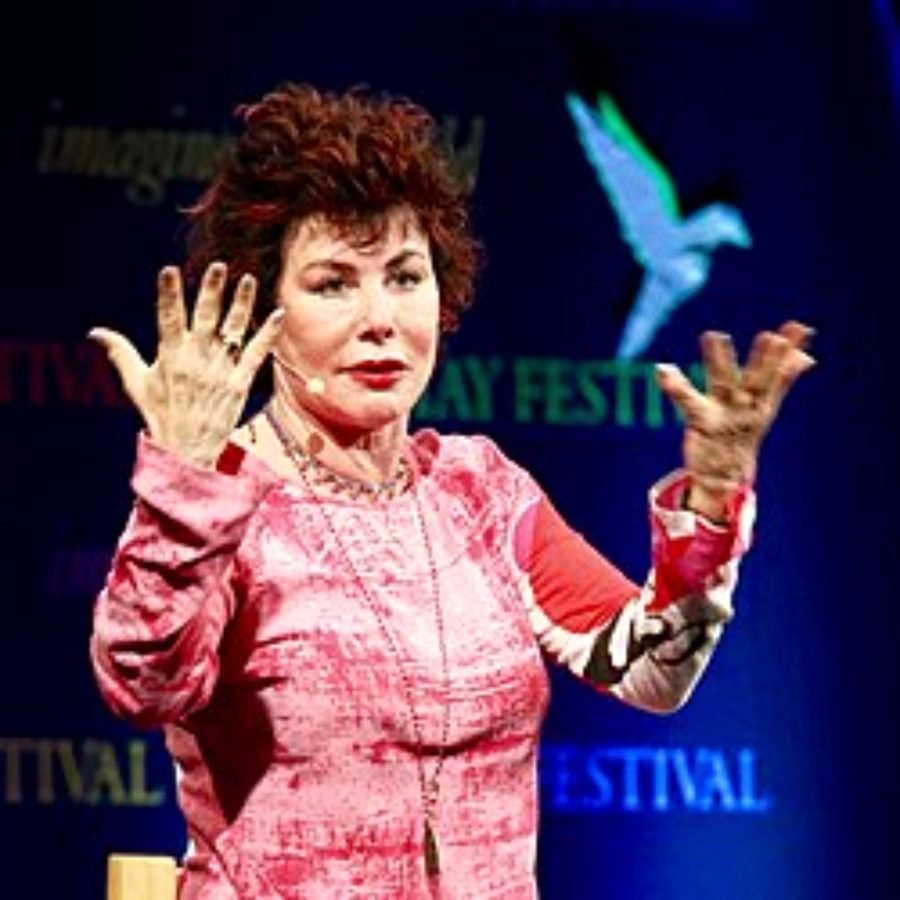
A childhood shaped by migration
Ruby Wax was born Ruby Wachs on 19 April 1953 in Evanston, Illinois, near Chicago. Her parents, Edward and Berthe Wachs, were Austrian Jews who left Vienna in 1938 because of the Nazi threat. Her father was a sausage manufacturer and her mother qualified as an accountant. After the family settled in the Chicago area, her father changed the spelling of the surname from Wachs to Wax. Her American upbringing helped shape the direct comic sensibility that became part of her public identity.
From California to Scotland
Wax studied psychology at the University of California, Berkeley, leaving after a year without completing her degree. She later moved to the UK and studied at the Royal Scottish Academy of Music and Drama in Glasgow. She began her acting career as a straight actress at the Crucible Theatre in Sheffield, developing a feel for character, timing and performance before becoming known for comedy and television.
A distinctive public voice
Rather than presenting herself as a distant celebrity interviewer, Wax leaned into awkwardness, provocation and comic confrontation. Her style made interviews feel unpredictable. Over time, the same blunt honesty became a strength in her work on depression, mindfulness and emotional wellbeing.
| Birth name | Ruby Wachs |
|---|---|
| Born | 19 April 1953 |
| Birthplace | Evanston, Illinois, USA |
| Nationality | American-British |
| Work | Comedian, actor, writer, presenter and mental-health campaigner |
Quick bio: Birth name Ruby Wachs • Born 19 April 1953 • Evanston, Illinois, USA • American-British • Comedian, actor, writer, presenter and mental-health campaigner
Stage Roots, Alan Rickman and the Road to Television
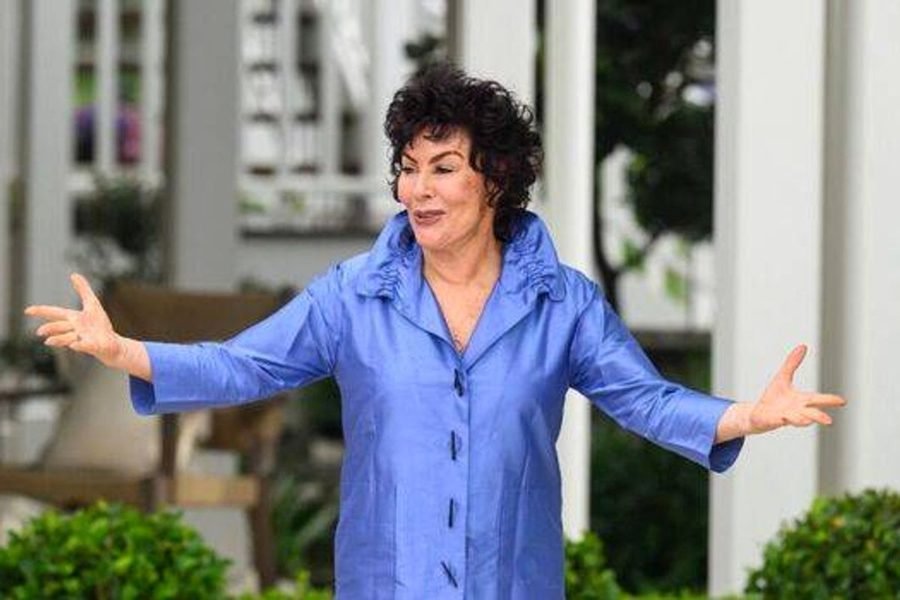
Theatre came first
After arriving in Britain, Wax worked as an actress and joined the Royal Shakespeare Company in 1978. Her stage credits there included Shakespeare plays such as Love’s Labour’s Lost and contemporary work including Sore Throats. Theatre gave her a rigorous foundation in character and performance, and taught her how to hold an audience through rhythm, physicality and precise delivery.
A creative friendship
Wax developed a close friendship and professional partnership with actor and director Alan Rickman, who later directed many of her stage comedy shows. Rickman’s measured approach complemented Wax’s energetic stage persona. She has said that making him laugh was the main reason she went into comedy.
Writing and performing
Wax moved into television comedy as a co-star of the ITV sitcom Girls on Top (1985–1986), alongside Dawn French, Jennifer Saunders and Tracey Ullman. She then developed programmes that put her own name and point of view at the centre, including a Channel 4 chat show, Don’t Miss Wax. Her writing and stage training gave her shows a clear comic voice.
Career note: Early stage training and writing shaped the direct, theatrical energy of Wax’s television persona.
Ruby Wax Meets: The Interviews That Made Her Famous
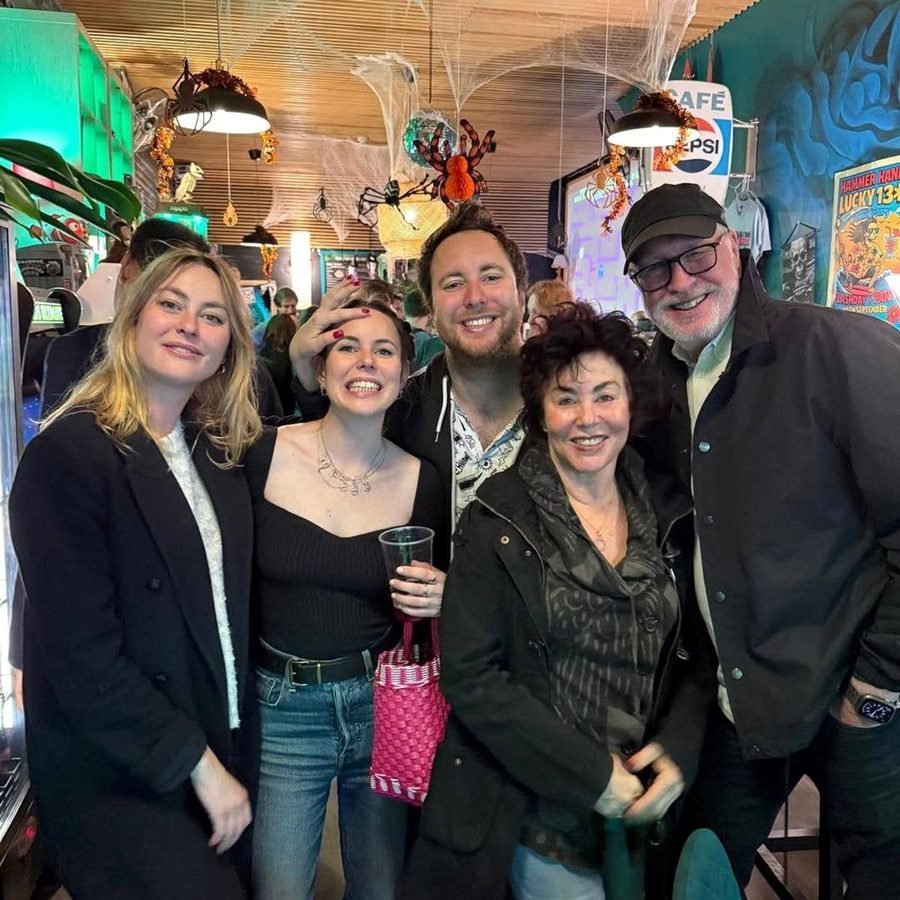
The interview as performance
Wax became a recognisable television personality by making celebrity interviews funny, tense and sometimes gloriously uncomfortable. Programmes such as The Full Wax, Ruby Wax Meets…, Ruby and The Ruby Wax Show made her known for asking questions other interviewers might avoid. She used comic exaggeration, sharp follow-ups and a deliberately bold persona to unsettle guests and reveal unexpected sides of public figures.
A long BBC relationship
Wax began working with the BBC in 1991 with The Full Wax, presenting and contributing to programmes that blended comedy, interviews and social observation. She also served as script editor on Absolutely Fabulous, created by Jennifer Saunders, throughout its run, and made two guest appearances in the show. This behind-the-scenes role demonstrated that her talents extended beyond interviewing.
Why the style endured
Her interviews were not conventional soft-focus profiles. Wax often made herself part of the joke, allowing awkwardness to become the scene. Her later stage work drew on the same candour, increasingly pairing humour with personal reflection and discussions of mental health.
On screen: The Full Wax • Ruby Wax Meets… • Ruby • The Ruby Wax Show • Girls on Top • Absolutely Fabulous
Mental Health, Family and Ruby Wax’s Lasting Legacy
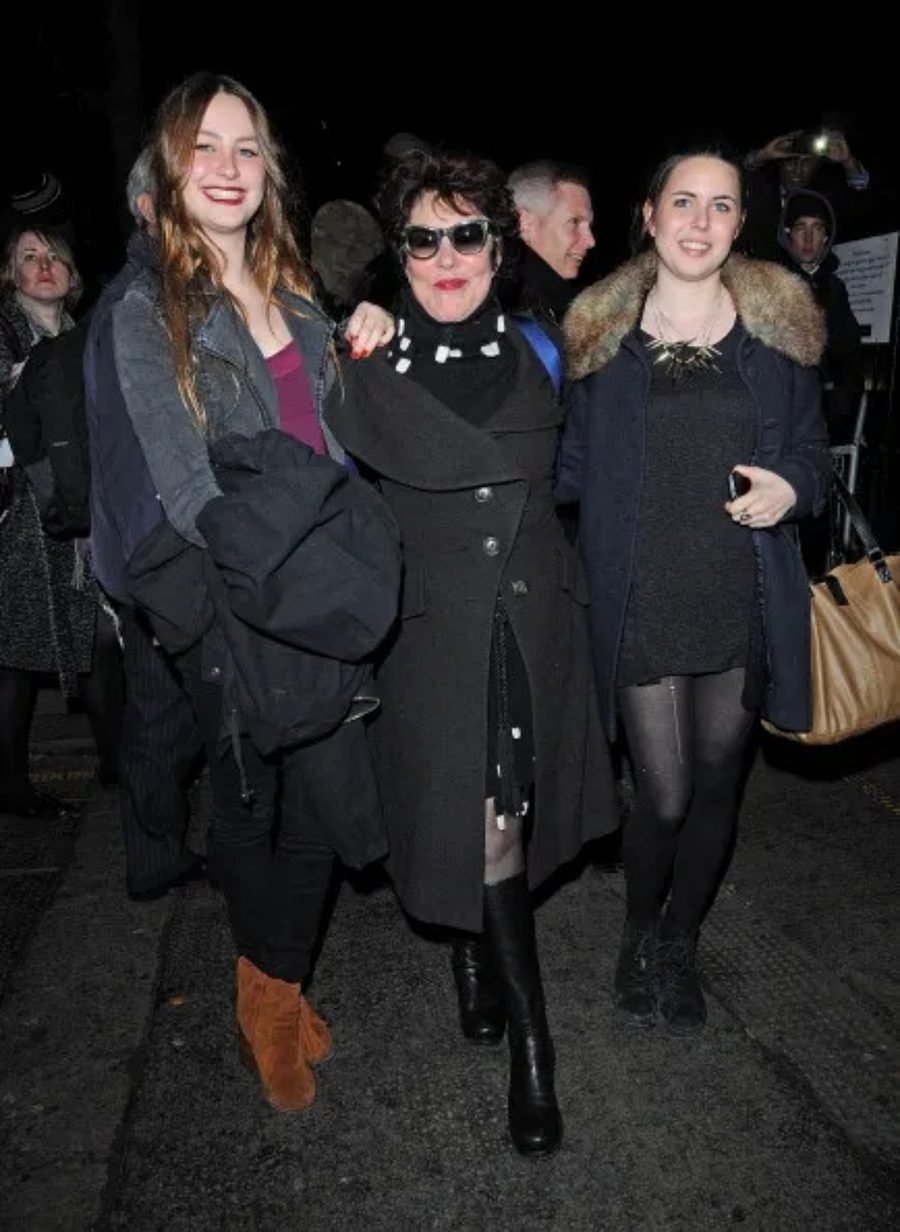
Turning private experience into public conversation
Wax has been open about her struggles with bipolar disorder and depression. Her candour challenged the idea that mental illness should be hidden behind professional success or a comic persona. Her stage show Losing It explored her experiences, including time she spent in a psychiatric clinic, and helped audiences find honest language around mental health.
A return to study
Wax earned a postgraduate certificate in psychotherapy and counselling at Regent’s College in London, and graduated from Kellogg College, University of Oxford, with a master’s degree in mindfulness-based cognitive therapy in 2013. She uses humour and clear explanations to discuss how thoughts, emotions and the brain interact.
Books, charity and recognition
Her books include Sane New World (2013), A Mindfulness Guide for the Frazzled (2016) and How to Be Human: The Manual (2018). Wax founded Frazzled Cafe, a charity that runs peer-support meetings for people feeling overwhelmed. She was appointed an OBE in 2015 for services to mental health, and in 2015 became a visiting professor in mental health nursing at the University of Surrey.
Family and recent work
Wax married television producer and director Ed Bye in 1988; they have three children, Max, Madeleine and Marina. Her 2023 book I’m Not As Well As I Thought I Was recounts a further period of psychiatric treatment and her battles with depression, presenting recovery as complicated rather than a simple success story.
What she represents
Her career spans theatre, sitcoms, interview shows, writing, education and advocacy. The through-line is her willingness to say what others might leave unsaid. Wax has helped make mental-health conversations more public without abandoning comedy. References to health here are included because she has discussed them publicly and are not medical advice.
Legacy: A comic performer who used candour, education and humour to bring mental health into everyday conversation.
Source and editorial note
This magazine profile was prepared using the public biographical information available in the Wikipedia entry for Ruby Wax: https://en.wikipedia.org/wiki/Ruby_Wax