Travel
How to Care for a Mountain Bike

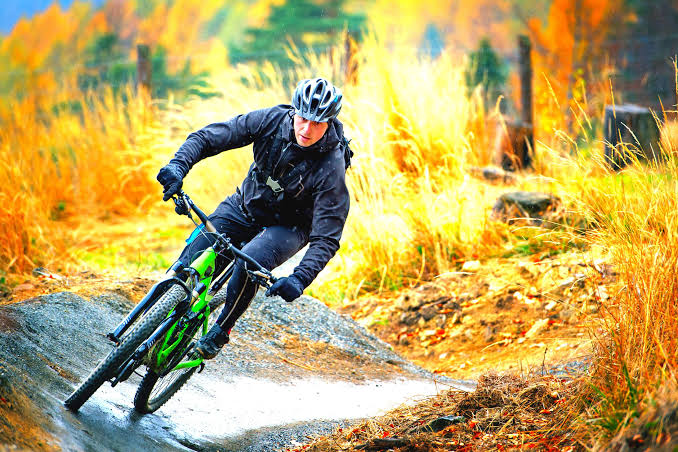
How often should you wash your bike? Much depends on the weather and the terrain where you ride. Brief advice from www.bikerist.com bicycle rental in Portugal.
If it’s raining and slushy and on rough terrain (after a hike, for example) – go straight to the bathroom. If in dry weather and around the city – once every 2-3 months. But in winter, you should wash your bike immediately upon arrival in a warm room until the snow and ice begin to melt. The dirt accumulated on and in the bike does not flow with the resulting water into the mechanisms. If your bike has been through serious trouble, and while riding, it has taken a sip of water and dirty water at that point, when washing, you can not be afraid to pour water on the bushings, carriage, stars, and derailleurs. However, you still shouldn’t overdo it. A strong stream of water is good for washing.
Do not put a freshly washed bike out in the cold under any circumstances in winter. Frozen water, expanding inside the mechanisms, can damage them. You can dry the bike with a hair dryer or wipe it with a cloth. By the way, cloth is the most popular tool for cyclists. Hard-to-reach places (systems, switches, cassettes, shifters) have the disgusting property of accumulating dirt. It is recommended to wipe them with a damp cloth once every two or three trips (or once every 100-150 kilometers in summer and once every 40-80 in winter).
Before washing
Before washing, use a degreaser for the chain (for example, Pedro’s Oranj Peelz). Avoiding direct water jets on any bike’s parts, especially the electronics, is better. To prevent water from getting inside the frame, use an organosilicon compound to treat the bottle cage mounts.
Cleaning agents
Liquid detergent, soap or Fairy, and water. If you are not satisfied with the cleaning liquid, try using car shampoo instead. Car shampoos are gentler and form a wax film on the surface, which will make the bike look more impressive than after bathing in soapy water.
There are many special bike cleaning products now (for example, Pedro’s for cross-country bikes and Pro-Clean for downhill bikes; the latter is used to wash motorcycles and does not damage disc brake pads).Liquid detergent, in combination with a soft/hard sponge, not only washes away basic sand, clay, and other organic dirt but also copes well with oil stains (oil itself, bitumen, stains of unknown origin).
Degreaser
Brushes. You can wash the frame with a sponge, but the dirtier parts of the bike need a brush, especially if you want to clean the bike well.You will need two wheel brushes: one for the chain and gears and one for the rims and hubs.You can use disposable cotton swabs soaked in kerosene to clean the cassette.
Washing
Washing the bike in the bathtub. Remove the wheels from the bike and place it upside down in the bathtub, with the saddle on the bottom and the grips on the sides.Use your hands to scrape off and throw away large lumps of dirt and grass so as not to clog the drain, and then use a fairly strong stream from the shower, using a stiff brush with plastic bristles (Fairy is very appropriate here), to wash off all the dirt. However, this must be done with extreme caution since there is a risk of scratching the surface with dirt particles. Do not direct a stream of water into the grooves of the carriage and headset – if water gets there, it will most likely remain there for a long time, which does not bode well.
It should also be said that if you just came back from a ride in cold weather, you should let the bike warm up, or you will have to wash it with cool water – sudden temperature fluctuations will not do your favorite thing any good.The wheels are washed separately, and there are no subtleties here, but again, they do not direct the stream of water inside the hubs.
Rinse the main components of the bike – rims, wheels, frame. Wait until the water soaks the dried dirt. Otherwise, when cleaning off the sand, you will scratch the varnished coating of the frame. Avoid getting too much water on the following components – hub anthers, cartridge, shifters, but you can not fear getting water on the chain; it is not scared of it. After letting the frame “get wet,” clean the dirt off the bike. Try to rinse, not clean off the dirt – do not spare the water.
Having cleaned the main components, move on to the hubs, rear and front derailleur, and system. They should be washe carefully with a small amount of water. This is especially true for the cartridge since there is no protective boot where it is attache to the hub, and the mechanism of the latter is especially vulnerable to water.
The chain is the most complex mechanism in a bicycle in terms of the number of parts, which is constantly subjecte to heavy loads and surrounded by city dust and dirt. It requires constant care since its wear leads to the grinding of the teeth of the system and cartridge and incorrect operation of the speed switches. Set the switch values so the chain is on the smaller front and rear stars. Put a bucket under it and pull it to the water.
You must try to clean each chain link from dirt and old y grease, so feel free to dip it in water and clean it with a toothbrush. It is more convenient to use a special machine to clean the chain. Pour warm water and Fairy into it. Compared to a toothbrush, the result is much faster and easier (pour – put it on – pedal – pour out the dirt – repeat if necessary).
If areas where drops of dirt and foam remain after washing the bike, they should be remove with a degreaser. An old toothbrush makes it easy to reach hard-to-reach places.
After washing
Wipe the frame, fenders, saddle, and steering wheel with a clean cloth (suede is perfect). Then, a can of lubricant in an aerosol package can be use to lubricate the bushings, switches, etc., mechanisms where water can penetrate.
When drying, the metal frame may seem dull due to the formation of phosphoric acid salts on its surface. To give the surface its initial shine, treat the frame with a polish used to treat the car’s coating. If, after washing, you find dirt that the detergent did not cope with, treat this area with a degreaser, scrub with a brush, and then rinse again.
Helpful tips for washing a bike
To remove the most ingrained dirt and even rust (for example, it helps if the bike was stored in damp conditions all winter, for instance, in a garage, and became very scaly) – the miracle liquid WD-40 is very helpful. This is a penetrating lubricant used as a powerful solvent. WD-40 also helps when you need to separate metal parts stuck to each other, such as threaded connections. To do this, you need to fill them with liquid, say, overnight.
Liqui Moly has similar products—LM40 and LM47—that contain penetrating lubricants, oil, and kerosene (the main components of “VED”). These additives reduce friction and increase the service life of parts (rust dissolution, long-term protection against corrosion, prolongation of the life of plastic and rubber casings, etc.).
When washing your bike, avoid direct sunlight. Hot weather and the sun “dry” the frame, contributing to the appearance of cracks on its surface. You can use a hose, but reduce the pressure to a minimum. Do not direct the stream at the wheel bushings, carriage, gear shifters, and steering column.
Never wash your bike before riding, as water retained in the “jackets” and other components will freeze at low temperatures, disrupting their functionality.
After winter rides, before bringing the bike into a warm room, it is better to leave it in the vestibule for 10 minutes and clean it of snow and dirt with a broom during this time.
If you ride your bike in the forest with no salt or dirt, it will be enough to wipe it dry with a clean rag. Otherwise, it should be washed thoroughly, and best of all, it should be used with car shampoo.
After taking a warm bath with foam and aromatic oils with your favorite bike, it (the bathtub) needs to be washe, and the best way to clean the bathtub from oil dirt is car shampoo!
On a multi-day hike, when there is no fairy and no machine for cleaning the chain addition, a clean chain stays for an hour, then rain or a sandstorm. That is when the chain begins to wear down mercilessly. The only way out is to wipe it with a toothbrush and a rag and generously lubricate it with oil! By the way, here is another observation from a long hike: if the chain was filthy, then in dry weather, after an hour or two of riding, the dirt falls off by itself, and the chain becomes dry and clean (even shiny), then it just needs to be lubricate.
For the lazy, the easiest way is to wash the bike in a car wash. Just lower the compressor pressure and go ahead. You can wash it with shampoo right away and then rinse it with clean water. The procedure takes 2-3 minutes in total.
After this procedure, all that remains is to wipe the bike with a rag and lubricate it.
Then, however, it is a pity to continue riding it – it is spotless.
Remember, a clean bike is the first step to having a working bike.
Dry wash
In the 70s, there were no sealed jackets for bicycles. Everything used in a mountain bike came from road bikes, which were not expose to dirt, unlike mountain bikes. So we started to ruin the bike’s components when we washed them with water because the dirt would get into the bearings – most people don’t realize that when they wash the bike, the water dissolves the dirt, and this beautiful clay liquid gets into the bearings perfectly. Many still believe that dry cleaning is enough and that you shouldn’t wash your bike. Here’s how it happens.
Procedure:
After the ride, let the dirt dry.
Start cleaning the bike’s top with a bottle brush and a narrow liquid solution brush in one hand. These brushes will get into all the nooks and crannies: around the shifters and brake levers, under the seat, under the seat post, seat clamp, brakes, top tube, and front and rear derailleurs.
Take a large nylon brush and brush off large accumulations of dirt everywhere—the bottom of the down tube, the fork crowns, and the fork itself.
After you’ve removed most of the dirt, move on to the chassis. Use a brush to remove paint and rust. Clean the inside and outside of the chain links.
Clean the cassette, clean both sides of the crank gears, and lube the chain—and you’re done.
Please note: Every climate is different. Certain types of soil, such as cement, will harden. In this case, you must resort to water to soften the dirt. The best way is to use warm, soapy water in a basin. Dip the same brushes into the basin and remove the dirt.

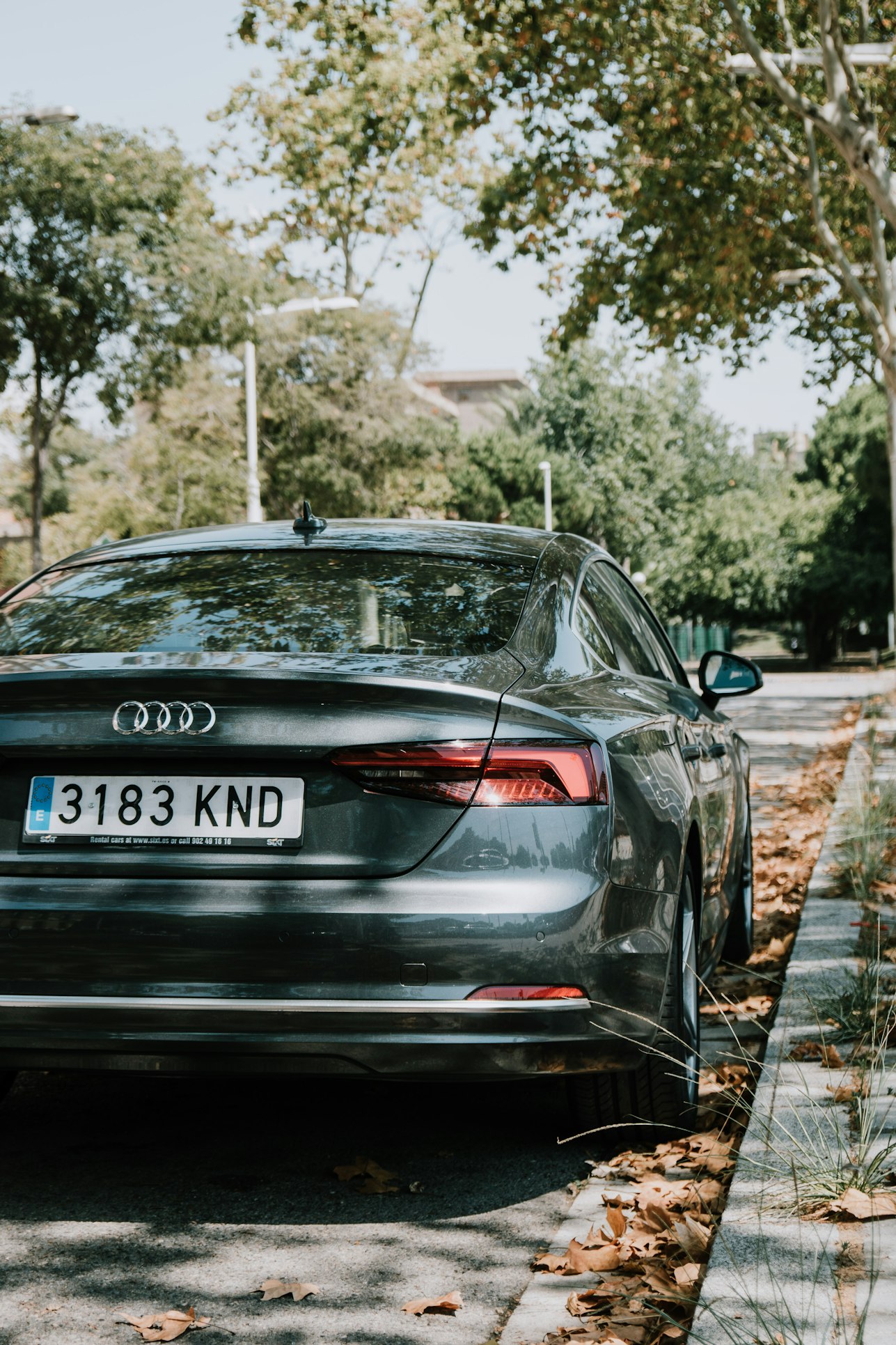
Audi drivers know their vehicles are built for more than just the daily commute. Summer opens the door to longer drives, warmer conditions, and more demanding roads. But higher temperatures mean more strain, especially on the systems that usually go unnoticed until something goes wrong. LLLParts specialists have seen it time and again: summer isn’t the problem. The lack of preparation is.
Cooling Isn’t Just for Comfort — It’s Critical
An Audi’s engine is finely tuned, but that precision only works when the cooling system is doing its job. Heat builds fast in slow-moving traffic or on steep inclines, especially when the air outside is already over 30°C. Radiators, thermostats, and coolant circulation all work together to stabilise engine temperature. If one part underperforms, the entire system pays the price.
That’s why LLLParts recommends checking for signs early — higher-than-normal temperature readings, slight drops in coolant level, or unusual fan activity after shutdown. These small cues are often the beginning of a larger issue. And if replacements are needed, using certified Audi parts ensures the system stays true to its original design.
Transmission Stress Comes Quietly
In hot weather, especially on long routes, the automatic transmission can start to show signs of heat fatigue. The gearbox works harder to shift smoothly, especially when the fluid starts to thin out under continuous load. On longer climbs or highway stretches, drivers might notice subtle changes — slightly slower gear shifts, faint lag in response, or a bit of hesitation under the throttle. According to LLLParts experts, these are the kinds of symptoms that appear before mechanical wear becomes a serious problem.
Routine transmission fluid changes — often skipped or delayed — make a noticeable difference in long-term durability. And for cars that spend a lot of time in mountain regions or stop-start city traffic, checking for thermal wear on solenoids, regulators, and cooling lines isn’t optional. It’s prevention. Simple, effective, and cheaper than replacement.
Tyres, Brakes, and Heat-Fade
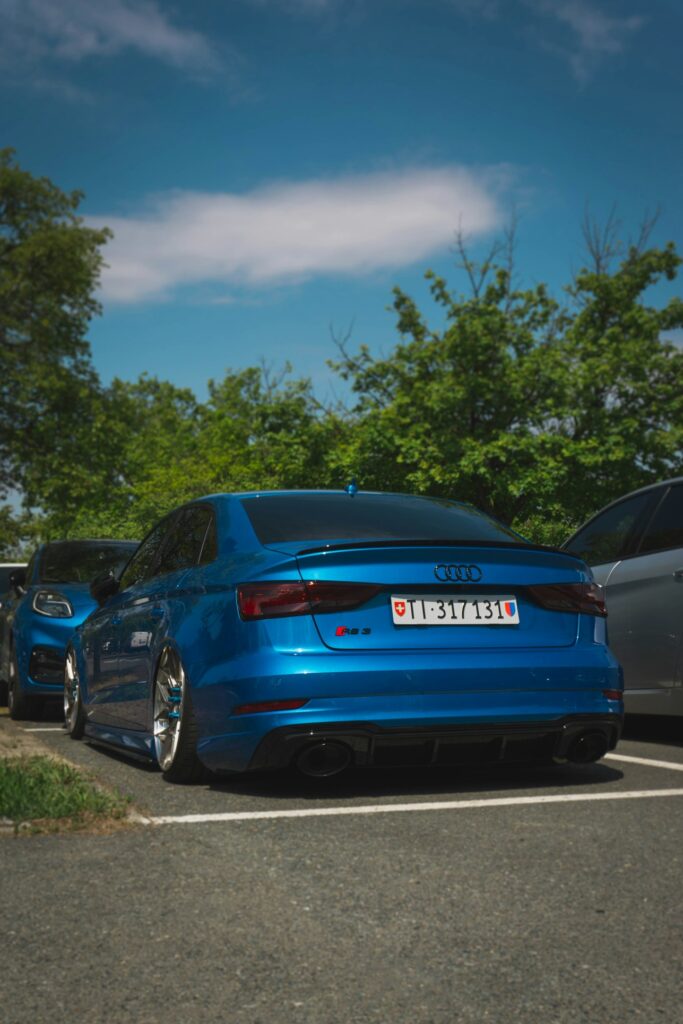
Heat doesn’t just affect mechanical parts — it changes how rubber and brake material behave. Audi’s performance is only as good as what connects it to the road. That’s why tyre pressure checks in the morning (before the sun heats the surface) are more than routine — they’re essential. Overinflated tyres expand further in heat. Underinflated ones get soft, unstable, and unpredictable. LLLParts specialists advise choosing summer-rated tyres with proper load and heat resistance, especially for higher-performance models like the S4, Q5, or RS series.
Braking systems also fade faster when things heat up. Long descents or aggressive city driving in hot weather wear pads quicker, especially if they’re already near the end of their lifespan. Subtle signs like longer stopping distances, squealing, or even light vibration under braking are clear warnings. Better to act before the warning light comes on.
Interior Systems Can Strain Too
It’s not just what’s under the hood. Cabin electronics and sensors work harder in summer, especially when exposed to direct sunlight. Malfunctioning AC, delayed sensor response, or battery drainage can all result from prolonged heat exposure. LLLParts experts often recommend checking cabin air filters and running climate diagnostics if cooling seems sluggish. Most issues here aren’t about broken systems — they’re about systems that haven’t been cleaned, updated, or recalibrated in a while.

Heathrow Airport, located just outside London, is one of the busiest and most well-known airports in the world. Each year, millions of passengers pass through its five terminals, which include Terminal 2, Terminal 3, Terminal 4, Terminal 5, and the now-closed Terminal 1. While Heathrow offers a range of parking options to suit every need, from short stays to long-term parking, the cost can quickly add up if you’re not careful.
Finding affordable parking at Heathrow can be a daunting task, especially during peak travel seasons. However, with the right approach and knowledge, you can find cost-effective parking solutions without compromising on convenience or security. In this guide, we will share some top tips for finding affordable airport parking heathrow across all terminals, ensuring you save money while enjoying a stress-free travel experience.
Tip 1: Book Parking in Advance
One of the best ways to secure affordable parking at Heathrow is by booking in advance. Prices for airport parking at Heathrow fluctuate based on demand, and booking early is often the best way to lock in the best rates. Heathrow’s parking spaces, especially during busy periods such as school holidays, Christmas, and summer, can fill up quickly, leading to higher prices. Booking well in advance guarantees you a spot at a lower price.
Using online comparison platforms like Compare Your Parking Deals is a great way to compare different parking options at all Heathrow terminals, including the rates for Short Stay, Long Stay, Park and Ride, and Meet and Greet services. By booking through these platforms, you can find exclusive deals and discounts, ensuring you pay the best price for your parking.
Tip 2: Consider Park and Ride Services
If you’re looking to save money on parking, Park and Ride services are often the most affordable option at Heathrow. This service allows you to park your car in a secure off-site parking lot and then take a shuttle bus to your terminal. The shuttle service typically runs every 10-15 minutes, and the journey to the terminal is usually quick, taking no more than 10 minutes.
Park and Ride is generally cheaper than both Short Stay and Long Stay parking options at Heathrow, making it a great choice for budget-conscious travelers. The service is available at all terminals, and you can easily book park and ride parking heathrow in advance through platforms like Compare Your Parking Deals.
Tip 3: Opt for Long Stay Parking
For travelers who need to park for several days or more, Long Stay Parking is a great option to consider. Heathrow’s Long Stay parking lots are situated further from the terminals compared to Short Stay parking, but they are still well-connected by frequent shuttle buses, which take you to the terminals in just a few minutes.
Long Stay Parking is usually more affordable than Short Stay Parking, especially if you need parking for a week or longer. While you may need to budget a little extra time for the shuttle ride, the savings make it worthwhile for many travelers. For the best rates, it’s advisable to book Long Stay parking well in advance through services like Compare Your Parking Deals.
Tip 4: Choose the Best Terminal Parking Option
Heathrow Airport has five terminals, each offering different parking options. Here’s a breakdown of the parking options at each terminal, helping you find the best deals based on your departure terminal:
Terminal 2 – The Queen’s Terminal
Terminal 2 is home to a wide range of international and domestic flights. The parking options here are numerous but can be on the expensive side, particularly if you opt for Short Stay parking.
- Short Stay Parking: The most convenient but also the most expensive parking option at Terminal 2. Ideal for quick drop-offs or short visits but can be costly if left for several hours.
- Long Stay Parking: More affordable than Short Stay parking, Long Stay Parking offers secure parking with shuttle buses running frequently to the terminal. It’s perfect for longer trips and more budget-friendly.
- Park and Ride: Park and Ride at Terminal 2 offers an excellent balance of affordability and convenience. The shuttle bus service runs frequently, and you’ll park your car at an off-site lot, saving a significant amount compared to Short Stay parking.
Terminal 3 – International Hub
Terminal 3 at Heathrow is known for its wide array of international flights and high passenger volume. Parking prices here tend to be higher due to demand, but affordable options are still available.
- Short Stay Parking: The Short Stay lot at Terminal 3 is very convenient, located close to the terminal. However, it is the most expensive option. It’s best for short visits or quick drop-offs.
- Long Stay Parking: Long Stay Parking at Terminal 3 offers a more affordable option, especially for longer stays. It’s slightly further from the terminal, but shuttle buses provide easy access to the terminal, making it a practical and cost-effective choice.
- Park and Ride: The Park and Ride service at Terminal 3 is one of the most affordable choices. The shuttle buses are frequent, and the off-site parking area is secure and cost-effective.
Terminal 4 – International Travel to Asia and the Middle East
Terminal 4 serves a variety of international airlines, with a focus on flights to Asia and the Middle East. Like the other terminals, parking here can be expensive, but there are still ways to find affordable parking options.
- Short Stay Parking: As with the other terminals, Short Stay heathrow airport parking terminal 4 is the most convenient but the priciest option. Ideal for quick pick-ups and drop-offs, but it can add up if you need to leave your car for several hours.
- Long Stay Parking: Long Stay Parking at Terminal 4 is a more affordable option for longer trips. The parking lot is a bit further away from the terminal, but the shuttle buses run regularly, providing a cost-effective solution for those leaving their car for an extended period.
- Park and Ride: Park and Ride services at Terminal 4 are one of the most budget-friendly parking choices available. The shuttle bus service is frequent, and the off-site parking lots offer significant savings compared to Short Stay options.
Terminal 5 – Heathrow’s Largest Terminal
Terminal 5 is the busiest terminal at Heathrow, home to British Airways and many international airlines. Given its size, parking can be expensive, but there are still affordable alternatives available.
- Short Stay Parking: Located closest to the terminal, Short Stay Parking at Terminal 5 is the most convenient but also the most expensive. If you’re looking for a quick stop or are just picking someone up, this is the best option.
- Long Stay Parking: Long Stay heathrow airport parking terminal 5 is a more affordable alternative, especially for longer trips. While it is located further from the terminal, shuttle buses run frequently, ensuring easy access.
- Park and Ride: Park and Ride at Terminal 5 is one of the best choices for budget-conscious travelers. Parking is more affordable than both Short Stay and Long Stay options, and the shuttle buses ensure you won’t be delayed in getting to the terminal.
Tip 5: Use Price Comparison Websites
One of the easiest and most effective ways to find the best price for airport parking at Heathrow is by using price comparison websites like Compare Your Parking Deals. These platforms allow you to compare the prices and availability of parking options across all terminals, making it easy to find the most affordable choice for your needs.
By entering your travel dates and requirements, you can quickly find the best deals on parking at Heathrow and take advantage of any discounts or special offers. These comparison sites often feature exclusive discounts for users who book early or commit to longer parking durations, further helping you save money.
Tip 6: Consider Off-Site Parking Options
In addition to the official Heathrow parking lots, there are many off-site parking providers located near the airport. These off-site parking lots are often more affordable than parking directly at the airport, and they provide shuttle bus services to all five terminals.
Off-site parking can offer significant savings, and many providers offer additional services such as car washing or valet services. If you’re looking to save even more, off-site parking is a great option to consider, especially if you’re willing to take a short shuttle ride to the terminal.
Tip 7: Look for Special Deals and Offers
Another great way to save on airport parking at Heathrow is by keeping an eye out for special deals, promotions, and discounts. Many parking providers offer seasonal deals, discounts for early bookings, or special offers for repeat customers.
By regularly checking comparison websites like Compare Your Parking Deals or signing up for email alerts, you can take advantage of these limited-time offers to get the best possible price on parking at Heathrow.
Tip 8: Avoid Last-Minute Bookings
Waiting until the last minute to book your parking at Heathrow is one of the fastest ways to increase your costs. As demand for parking spaces rises, especially during peak travel periods, the prices tend to go up closer to your travel date. Last-minute bookings often come with higher prices, and availability can be limited.
To avoid paying more than necessary, it’s always best to book your parking as early as possible. This gives you more options to choose from and allows you to secure the best prices for your parking space.
Conclusion
Finding affordable airport parking at Heathrow doesn’t have to be a stressful or costly experience. By following these top tips, including booking early, considering Park and Ride services, and using price comparison websites like Compare Your Parking Deals, you can save money while enjoying a smooth and convenient airport parking experience. Heathrow offers a range of parking options to suit every budget, and with the right approach, you can find a solution that fits both your budget and your travel needs.
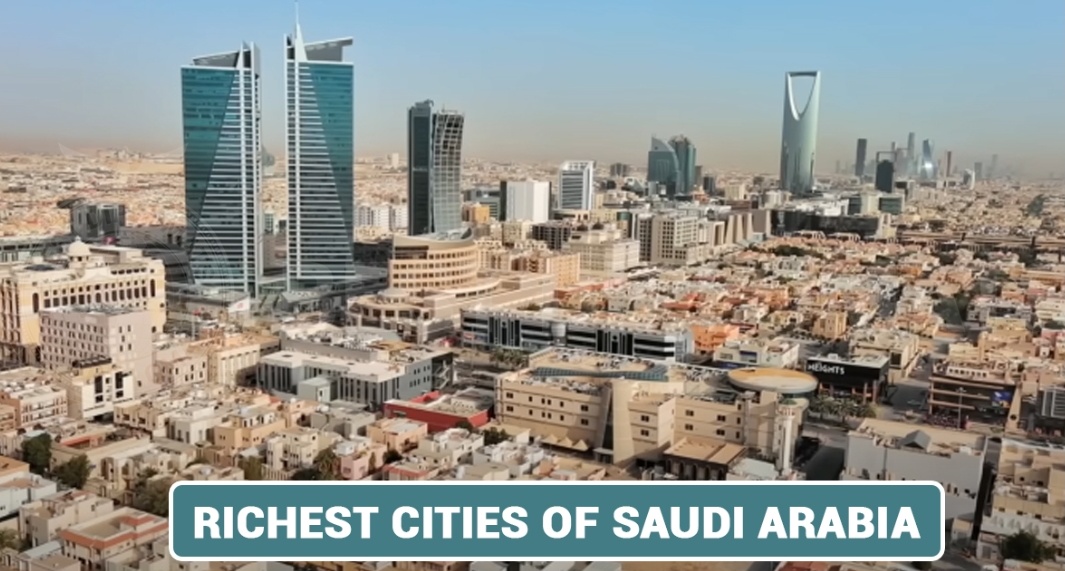
History and cultural heritage define Saudi Arabia. The country contains several town centres that make a strong visual impression. Several cities are renowned for their prominence in various sectors, including business and spiritual heritage. Each city has something unique. Here is the list of the ten best cities in Saudi Arabia.
Riyadh
Riyadh serves as the main city and capital of Saudi Arabia. It serves as the largest municipal area in Saudi Arabia. Numerous organisations and official departments maintain their functions here. The city features modern architectural structures, along with shopping centres and hotel establishments. It includes a number of universities for higher education. Travellers attend both the Kingdom Centre and National Museum as part of their tourist experiences. Besides its top-rated dining spots and park areas, Riyadh is also a hub for those looking for cheap Umrah packages making it a popular choice for pilgrims. The city keeps growing by starting new businesses and expanding its setup. Pilgrims can enjoy these sports and park areas with their spiritual experience. They can choose Cheap Umrah Packages from UK to perform Umrah Pilgrimages and enjoy the stunning beauty of Riyadh, the capital.
Jeddah
Jeddah serves as the urban coastal centre of Saudi Arabia, near the Red Sea shore. It attracts visitors for its beaches and fine seafood. The city combines contemporary high-rise buildings with historical markets. People go to admire both the Jeddah Corniche and the Floating Mosque. The city has a rich history. Entering from here, you reach Makkah. People find Jeddah to have a welcoming and carefree way of life. The historical part of town, Al-Balad, has earned UNESCO’s heritage status. Tourists come to see both historical districts and special architectural styles when they visit.
Makkah
Islam considers Makkah its most respected city. Millions of Muslims travel to this city for both Hajj and Umrah spiritual ceremonies. The Grand Mosque and Kaaba religious site are situated side by side in Makkah. The city has several hotels and shopping areas. Pilgrims from all over the world visit every year. The Abraj Al Bait Towers rank among the highest skyscrapers on Earth. The city develops its services to help more pilgrims go on their religious journey each year.
Madinah
The city holds the reputable rank as the second holiest place in Islam. The Prophet’s Mosque is here. People visiting the city do so mainly because of their faith. The city offers a quiet atmosphere with numerous Islamic destinations for visitors. The city continues to grow, preserving its history while expanding its businesses. Many tourists visit the Quba Mosque and Qiblatain Mosque. Several hotels and shopping centres exist throughout the city. People come to shop at the date market while visiting the city. The residents of Madinah are famous for their welcoming attitude and peaceful way of life.
Dammam
Dammam stands out inside the Eastern Province as a crucial community. The city serves as a top producer of oil. People can enjoy both nature and modern shopping areas at the parks, beaches, and malls throughout this city. Many vacationers choose Half Moon Bay when they visit this area. Many industries are based here. King Fahd International Airport stands as one of the largest aviation facilities globally. Dammam functions as the main business and trading hub of the entire region. Additionally, many travellers look for December Umrah packages making them a key stop for pilgrims.
Khobar
From Dammam, people can reach Khobar, the modern city, in a short drive. It has beautiful seaside views. The Corniche provides perfect space for unwinding and casual walks. Global eateries form an important part of the dining scene in this place. People also visit for shopping. The city is filled with entertainment centres that offer a wide variety of options.
Jubail
Jubail is an industrial city. It leads all other countries by operating the biggest petrochemical production facilities globally. The authorities maintain high standards of cleanliness and organise plans within the urban structure. People take pleasure in using both beach and park facilities. Multiple foreign workers reside within this city area. Jubail has many green spaces. You can find this city among the top experts for town planning in Saudi Arabia. The city protects high-quality healthcare facilities and learning institutions.
Taif
In the mountain range stands beautiful Taif. The temperatures in this city remain lower than those of other urban areas. The city is world-renowned for its roses. Tourists go to Shubra Palace and explore Al Hada Mountain. The city contains multiple areas for gardening and park visits. The journey to Taif appears stunning with its many curving paths. The markets sell high-quality perfumes. The summer heat drives many individuals to visit this location.
Most of the pilgrims on Umrah Pilgrimage visit the Taif to visit the Islamic historical monuments. Umrah can be performed in three days, but it is suggested to book the 10 Nights 5 Star Umrah Package so that you can spend rest of the time in visiting historical monuments such as Taif.
Abha
Abha is another mountain city. The city experiences pleasant conditions with lush natural scenery. Tourists travel to this city to explore nature and hike on various trails. People enjoy visiting the Asir National Park as part of its local fame. Many tiny villages exist around Abha. People enjoy cable car rides. Community events take place everywhere in this city. Abha stands out for its cultural arts and traditional handicrafts production.
Yanbu
Yanbu functions as a key ocean port hub. The city separates its territory into business and leisure areas. The city features stunning beaches with excellent diving opportunities. People take pleasure from participating in water recreational activities at this location. Yanbu holds historical building attractions in its original town area. Fishing is popular in Yanbu. People love the fresh seafood. Many travellers seek cheap Umrah packages which makes Yanbu a convenient stop for pilgrims. Beach educators and tourists are choosing this city as their new travel destination.
Conclusion
Saudi Arabia displays numerous impressive cities for people to visit. All cities have distinct attractions to show their visitors. These cities attract visitors from worldwide areas for professional reasons, travel activities, and religious experiences. The country is growing fast. Many travellers also seek December Umrah packages making Saudi Arabia a key destination for pilgrims. During the Saudi Arabia visit, you must do 10 things in Saudi arabia which are suggested by most of the vloggers and bloggers. Local and international developers are working to enhance the qualities of cities across the country.

Achieving Career Transformation Through Online Education

BOT Chain Global Dual-City Resonance: The “Global Offensive” and Better-than-Expected Ecosystem Implementation of the Modular Algorithmic Network

Hope Park Martyrs Church: A Dark spiritual and historic treasure of St Andrews

G15Tool.com Gadgets: Guide to Cutting-Edge Technology

When a Fall Teaches Flight: The Emotional Journey of Baby Hawk – A Story of Love and Survival