
Politics & Public Life Special Edition
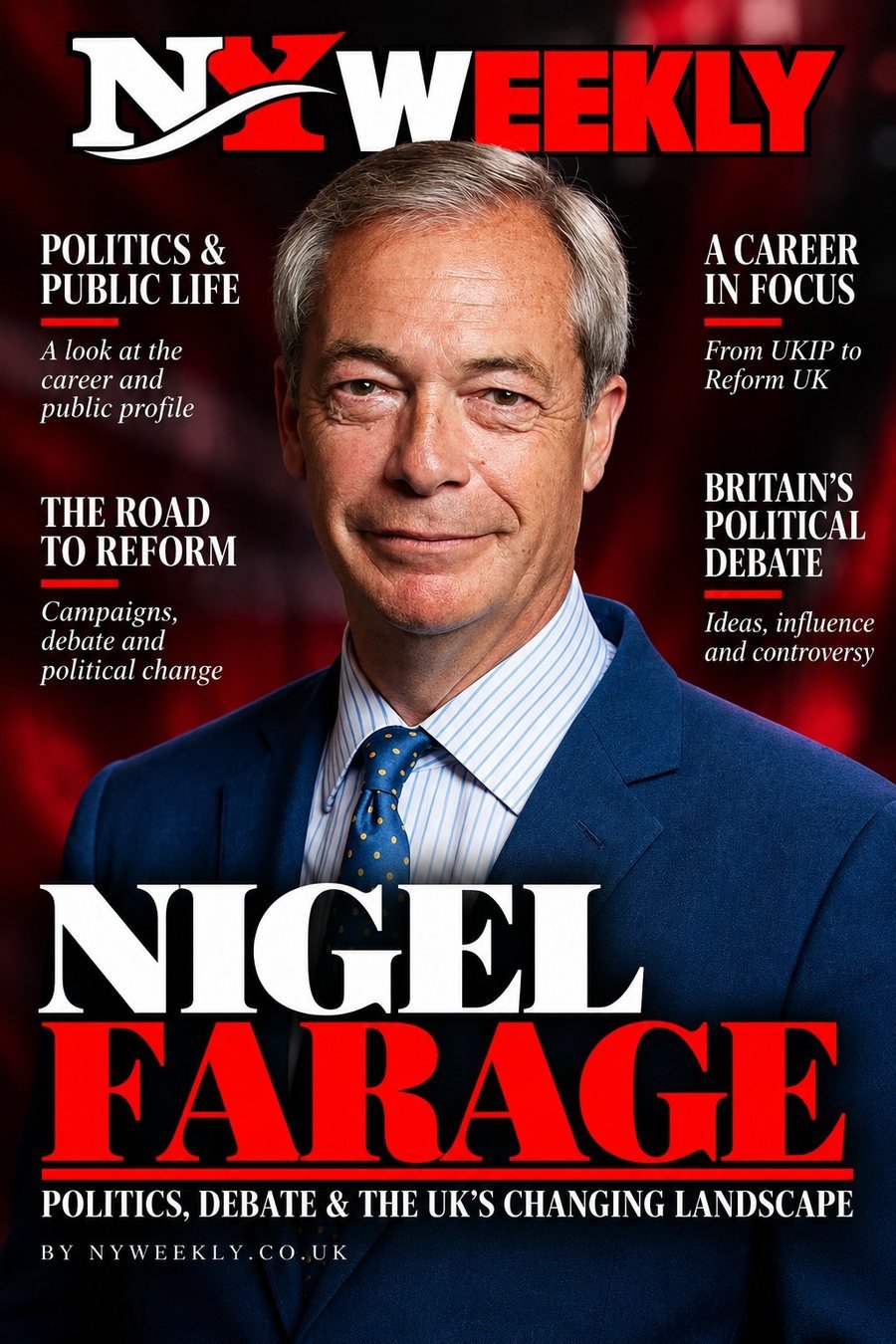
Nigel Farage: Politics, Debate & the UK’s Changing Landscape
Politics · 10 pages
From UKIP to Reform UK: Nigel Farage’s career, the Brexit years and his place in Britain’s political debate.

Who is Nigel Farage? From UKIP and the Brexit campaign to Reform UK and the Clacton seat: career, political positions and a clear timeline.
Nigel Farage: Biography, Reform UK Leader, Brexit Campaign & Career Timeline
By NYWeekly.co.uk Team
The early years
From Kent to the City of London
A childhood in south-east England
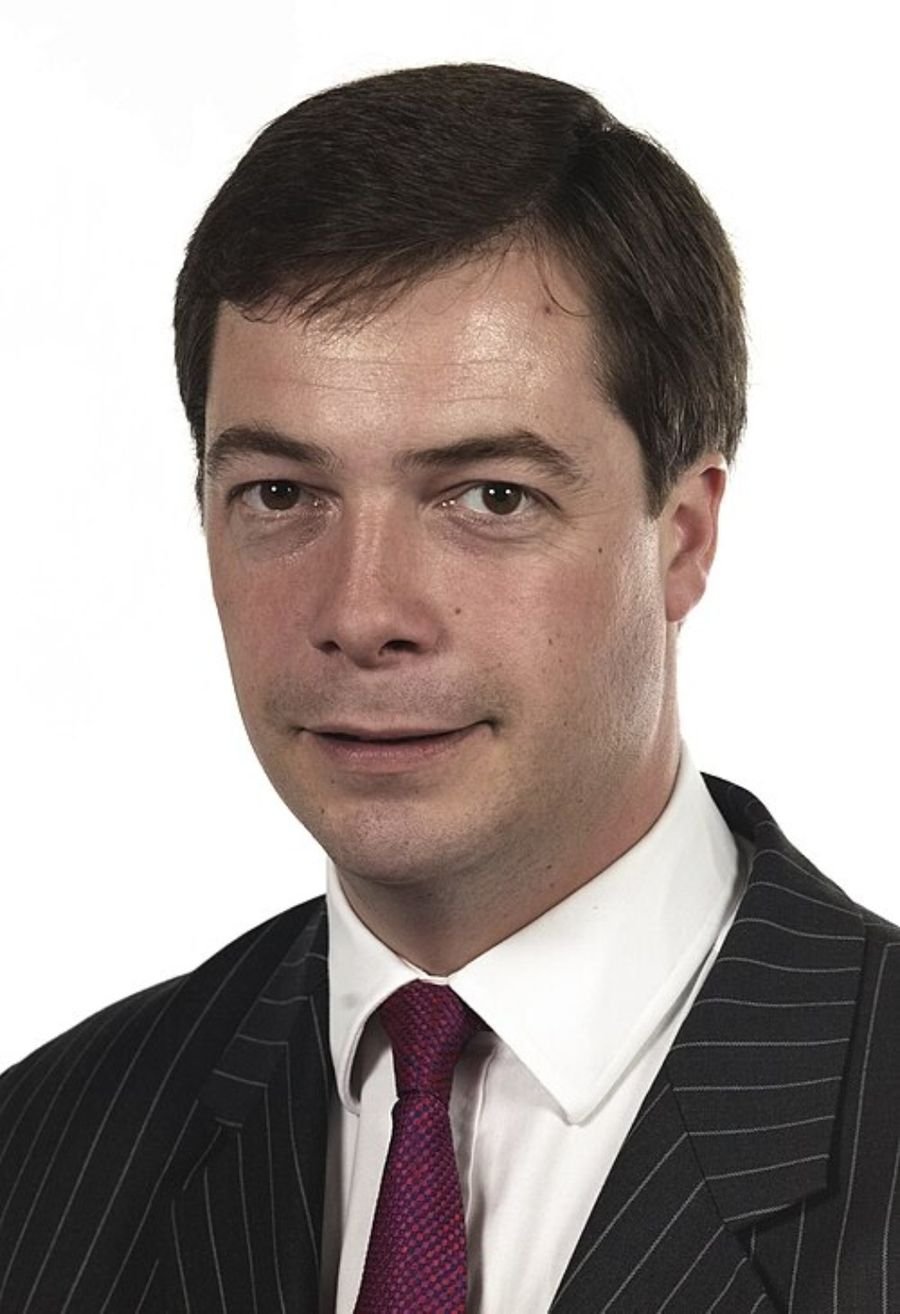
Nigel Paul Farage was born on 3 April 1964 in Farnborough, Kent, England. His father, Guy Justus Oscar Farage, worked as a stockbroker in the City of London, while his mother was Barbara Stevens. Farage attended Dulwich College in south London, where he developed an early interest in politics and public debate.
A different route into public life
After leaving school in 1982, Farage entered the financial world rather than university. He worked as a commodities trader, including roles with brokerage and metals firms. The City gave him a career outside party politics and a direct view of business, markets and Britain’s place in Europe.
The beginnings of a political outlook
Farage joined the Conservative Party as a teenager, but his views shifted as European integration advanced. He opposed the Maastricht Treaty and left the Conservatives in 1992. In 1993, he became a founding member of the UK Independence Party (UKIP), setting the course for a political career built around Euroscepticism.
Quick profile
| Born | 3 April 1964 • Farnborough, Kent, England |
|---|---|
| Education | Dulwich College |
| Known for | Brexit campaign; UKIP; Reform UK |
| Public roles | European Parliament; MP for Clacton (elected 2024) |
The road to Westminster
How a campaigner became a national figure
Building UKIP
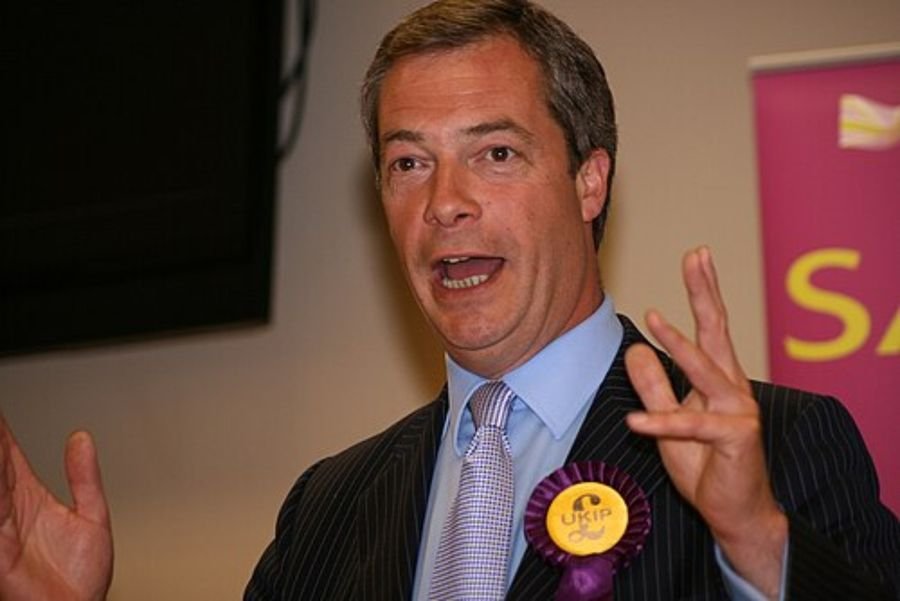
Farage rose through UKIP during the 1990s and became its leader in 2006. He presented the party as a challenger to the established political order and focused attention on immigration, national sovereignty and the European Union. His direct, media-friendly style helped make him one of the country’s most recognisable political campaigners.
A long European Parliament chapter
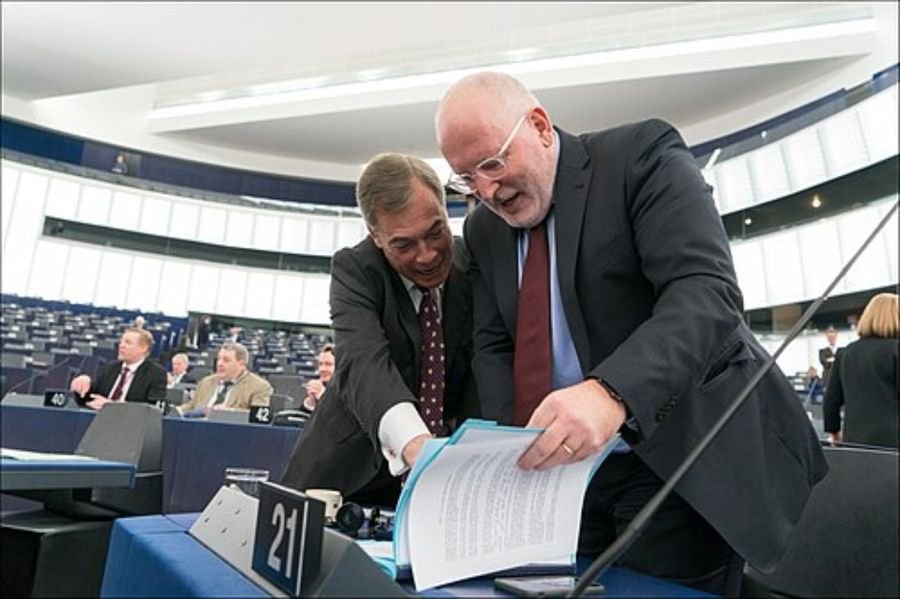
Elected as a Member of the European Parliament for South East England in 1999, Farage served there until the United Kingdom left the European Union in 2020. He became known for confrontational speeches and criticism of EU institutions, using the European Parliament as a platform to reach British voters.
Electoral setbacks and persistence
Farage’s national political path was not a straight line. He stood unsuccessfully in UK general elections before later winning a seat in Parliament. His ability to return to the centre of the political conversation after defeats became a recurring feature of his public story.
The Brexit years
The campaign that changed British politics
A referendum at the centre of his career
Farage became one of the most visible public faces of the campaign for the United Kingdom to leave the European Union. The 2016 referendum produced a Leave victory, after years of argument about sovereignty, trade, immigration and the country’s democratic relationship with European institutions.
A polarising message
Supporters saw Farage as a persistent voice for voters who felt ignored by mainstream parties. Critics argued that his rhetoric heightened divisions and oversimplified complex policy choices. His influence is best understood through both reactions: he helped push a major constitutional question to the centre of politics, while remaining a deeply divisive figure.
After the referendum
Farage resigned as UKIP leader after the Leave result, saying the referendum had achieved his central political goal. But Brexit did not end his involvement in politics. The debate over how and when the UK would leave the EU kept him in the public eye, and he later helped launch a new political vehicle.
A new political brand
From the Brexit Party to Reform UK
The Brexit Party
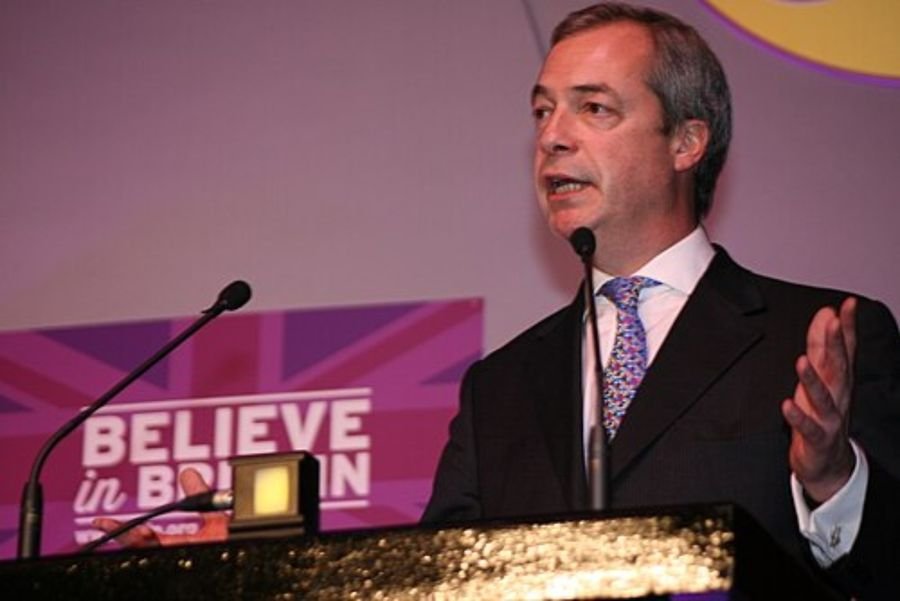
In 2018, Farage helped establish the Brexit Party, which gained momentum among voters frustrated with the pace of Brexit implementation. The party topped the UK vote at the 2019 European Parliament election, showing that the Brexit issue could still reshape party competition after the referendum itself.
Reform UK
The Brexit Party was renamed Reform UK in 2021. Farage returned as its leader in June 2024, campaigning on immigration, public services, economic management and dissatisfaction with the major parties. Reform UK’s rise added pressure to the Conservative Party and changed the dynamics of the 2024 general election.
The Clacton victory
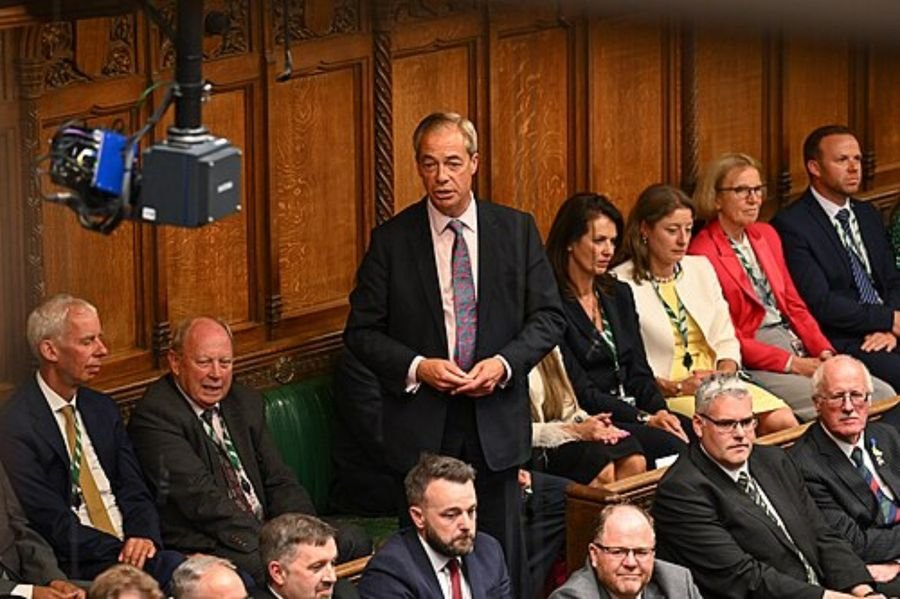
At the July 2024 general election, Farage won the Clacton constituency and entered the House of Commons as an MP. The result marked a significant personal milestone after several unsuccessful attempts to win a Westminster seat. It also gave him a parliamentary platform alongside his established media profile.
The media dimension
A politician who understands the camera
A presence beyond Parliament
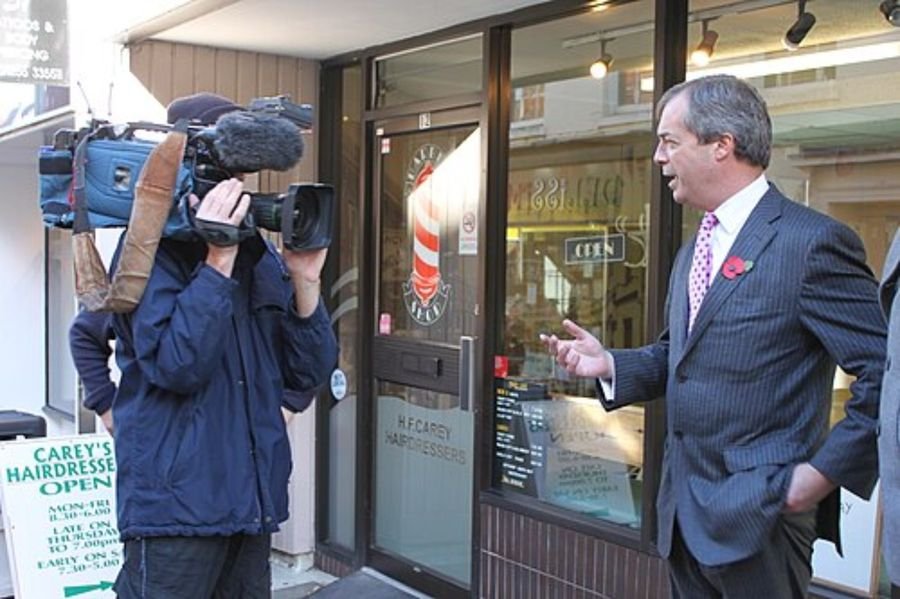
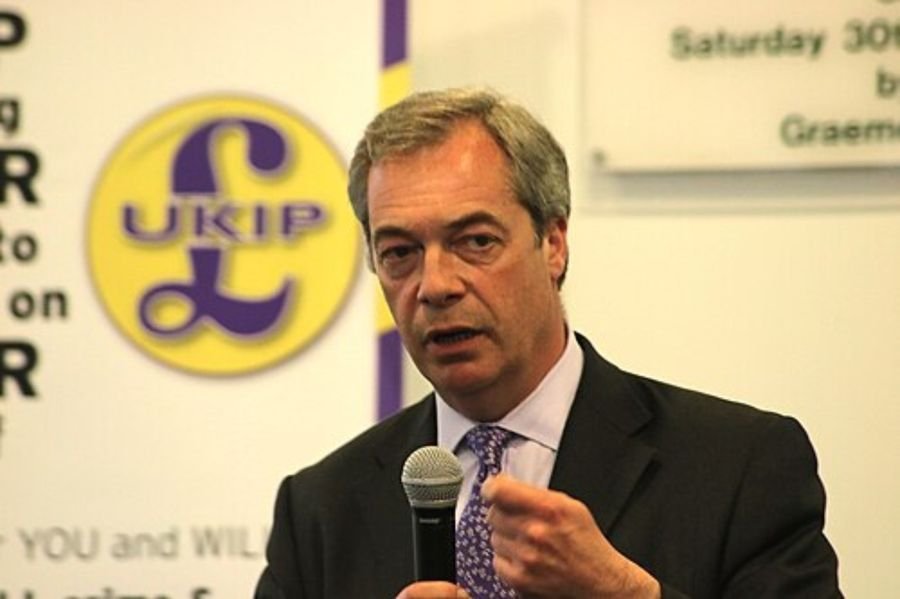
Farage has built a media career alongside party leadership, appearing on television and radio and developing a recognisable public persona. His interviews and broadcasts have helped him speak directly to supporters, while giving opponents a regular opportunity to challenge his claims and positions.
Message, performance and controversy
His political communication often relies on short, forceful arguments and a clear contrast between ordinary voters and political institutions. That approach can be effective in a crowded media environment, but it can also leave little room for nuance. The same style that attracts attention has made him a frequent subject of criticism and fact-checking.
A modern political-media figure
Farage’s career illustrates how contemporary politics is shaped by the relationship between party organisation, television, social media and personal branding. His public profile has often remained high even when he held no elected office, allowing him to influence debates from outside Westminster.
Political positions
The ideas behind the public image
Sovereignty and Europe
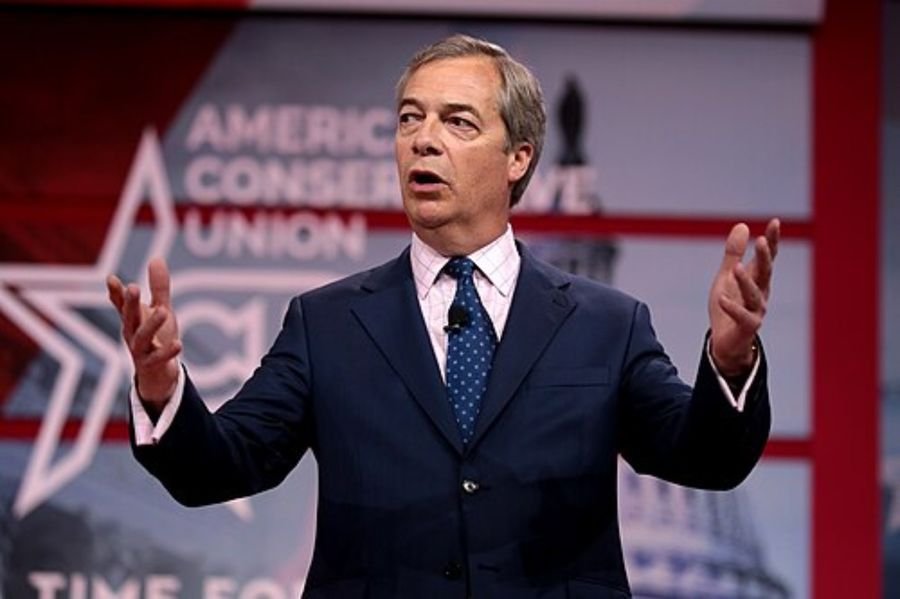
The central theme of Farage’s political career has been opposition to deeper European integration and support for national sovereignty. He argued that decisions affecting the UK should be made by elected British institutions rather than EU bodies. Brexit made this longstanding position a defining issue in national politics.
Immigration and national identity
Farage has repeatedly placed immigration and border control high on the political agenda. Supporters describe his approach as a response to public concerns about the pace of change and government accountability. Critics argue that his language can intensify social division and place disproportionate emphasis on immigration as an explanation for wider problems.
Economic and public-service arguments
In more recent campaigning, Reform UK has also addressed taxation, government spending, health services and the wider performance of the state. As with any political platform, the proposals should be judged against their costs, implementation details and likely effects, rather than campaign messaging alone.
Personal life and public scrutiny
The person behind the political headlines
Family and private life
Farage has four children and has been married twice. He generally keeps much of his family life separate from his public political work, although his biography and relationships have periodically appeared in media coverage. This profile focuses on information that is publicly documented rather than speculation about private matters.
A career under scrutiny
Farage’s public life has included intense criticism, disputed claims and controversies, as well as major political achievements. Reporting on such matters requires care: allegations should be attributed, denials should be represented fairly, and political arguments should be distinguished from established facts.
A contested legacy
To supporters, Farage is a disruptive campaigner who made political leaders respond to concerns about sovereignty, immigration and representation. To critics, he has amplified division and offered overly simple answers to complex challenges. His lasting significance will be measured by how Britain’s political landscape continues to respond to the movements he helped build.
Career timeline
Key moments in Nigel Farage’s public life
1964–1993 | Early life and political beginnings
Born in Kent in 1964; educated at Dulwich College; worked as a commodities trader; left the Conservative Party and joined the Anti-Federalist League before becoming a founding member of UKIP in 1993.
1999–2016 | European Parliament and UKIP
Elected as an MEP in 1999. Became UKIP leader in 2006, led the party through major European elections and helped make EU membership a central issue in British politics.
2016–2021 | Brexit and a new party
The Leave campaign won the 2016 referendum. Farage later helped establish the Brexit Party, which was renamed Reform UK in 2021.
2024 onward | Reform UK and Parliament
Returned as Reform UK leader in June 2024 and won the Clacton seat at the general election in July 2024. His role remains central to debates about the future of Britain’s party system.
Why his story matters
Farage’s career shows how a political movement can grow by focusing on an issue that established parties struggle to resolve. Whether readers view him as a catalyst for democratic change or a source of polarisation, his influence on the Brexit era is substantial.
Editorial note & source
Further reading and factual reference
Source
Nigel Farage — Wikipedia. The biographical and career overview in this edition is based on the Wikipedia biography, checked for this magazine edition.
https://en.wikipedia.org/wiki/Nigel_Farage
About this edition
Prepared as a NYWeekly.co.uk-style celebrity and public-figure magazine profile. The article summarises publicly available biographical information and presents differing views of Farage’s political legacy in attributed, balanced terms. It is an editorial profile, not an endorsement of any political party or candidate.
NYWeekly.co.uk Team. All rights and image credits remain with their respective owners.