Health
Gherkins: The Tiny Pickled Fruit With Global Flavor
Introduction
Few foods manage to be both humble and internationally celebrated, yet gherkins have quietly earned that distinction. Crisp, tangy, and packed with character, these tiny pickled fruits appear everywhere from roadside burgers to gourmet charcuterie boards. Their sharp flavor can transform an ordinary meal into something memorable, which explains why gherkins have remained popular across generations and cultures.
Although many people casually refer to them as small cucumbers, the story of gherkins is more layered than it first appears. Their history stretches through ancient preservation traditions, trade routes, European kitchens, and modern food manufacturing. Today, they are valued not only for their taste but also for their role in culinary heritage, nutrition, and food craftsmanship.
The appeal of gherkins lies in contrast. They are sour yet refreshing, delicate yet crunchy, simple yet surprisingly sophisticated. A single bite delivers acidity, salt, aroma, and texture all at once. That sensory intensity is one reason chefs continue to use them in everything from sauces and sandwiches to salads and meat dishes.
As food culture increasingly embraces fermented and preserved ingredients, gherkins have gained renewed attention. Home cooks now experiment with artisan pickling methods, while nutrition enthusiasts examine their probiotic potential and low-calorie profile. Despite their small size, gherkins occupy a meaningful place in kitchens around the world.
What Is gherkins
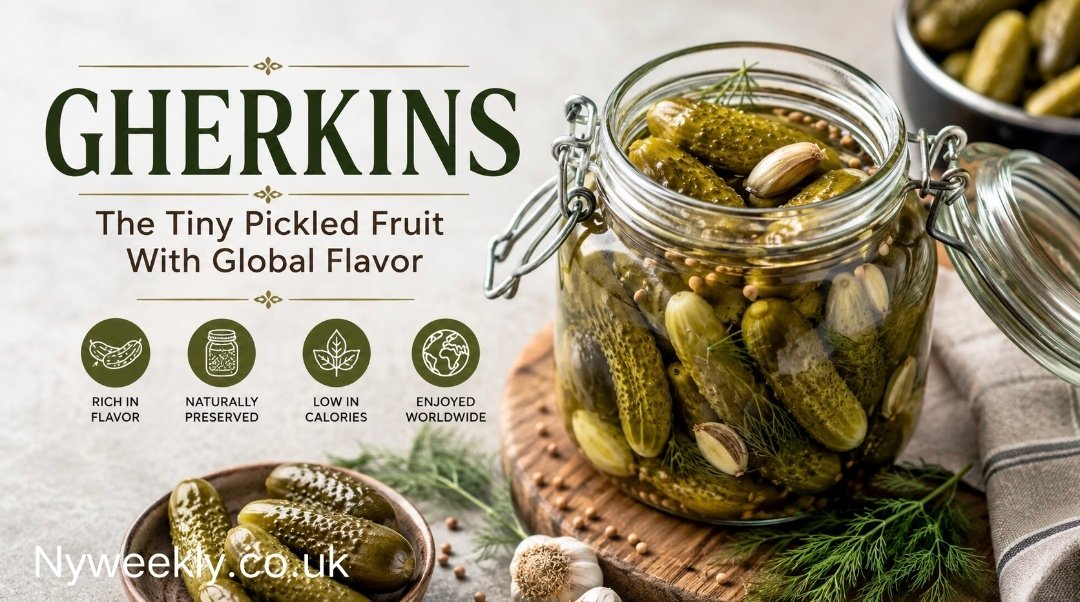
Gherkins are small fruits commonly harvested from specific varieties of cucumber plants and preserved through pickling. They are usually soaked in vinegar, brine, or fermented liquid along with herbs and spices that intensify their flavor. The result is a crisp, tart food known for its distinctive bite and long shelf life.
READ MORE: EpicureBiteed.com: Explore Gourmet Recipes and Culinary Discoveries
The word itself often causes confusion because it can describe both the small cucumber variety and the finished pickled product. In many countries, people use “gherkins” to specifically mean pickled baby cucumbers, while in some regions the term refers to a separate species related to cucumbers. Regardless of the variation, the defining characteristic is their small size and sharp preserved flavor.
Traditional gherkins are harvested early, before they grow large and watery. Their compact structure helps maintain firmness during the pickling process. This texture is essential because high-quality gherkins are expected to produce a satisfying crunch when bitten.
The flavor profile depends heavily on preparation methods. Sweet gherkins contain sugar and warming spices, while dill-based varieties emphasize herbs and acidity. Some European recipes include mustard seeds, garlic, tarragon, or pearl onions to create deeper complexity. In many Eastern European cuisines, naturally fermented gherkins develop earthy and slightly sour notes distinct from vinegar-heavy versions.
The Origins and Historical Journey of Gherkins
The preservation of cucumbers dates back thousands of years. Ancient civilizations needed reliable methods to store food before refrigeration existed, and pickling became one of humanity’s most practical culinary discoveries. Historians believe cucumber preservation practices spread from South Asia toward the Middle East and Europe through trade and migration.
By the medieval era, pickled vegetables had become essential across Europe. Sailors carried preserved foods on long sea voyages because they lasted for months without spoiling. Gherkins eventually became associated with Central and Eastern European cuisine, where fermentation traditions flourished.
France helped elevate gherkins into refined culinary culture. Cornichons, the French version of tiny pickled cucumbers, became a staple accompaniment for pâtés, cheeses, and cured meats. Their sharp acidity balanced rich foods beautifully, making them indispensable in classic French dining.
Industrial food production later transformed gherkins into a global commodity. By the twentieth century, large-scale pickling operations exported jars worldwide, introducing the flavor to millions of households. Even with mass production, many traditional recipes survived, especially in homes where family pickling methods were passed down through generations.
How Gherkins Are Grown and Harvested
Growing gherkins requires careful timing and close observation. Farmers typically cultivate them in warm climates with well-drained soil and steady sunlight. The plants grow rapidly during the season, producing fruits that must be harvested frequently to maintain ideal size and texture.
Unlike larger cucumbers, gherkins are picked very young. Waiting too long causes them to become soft, seedy, and less suitable for pickling. Skilled harvesters often collect them by hand because size consistency matters greatly in commercial production.
The harvesting process is physically demanding because the fruits are small and grow quickly. During peak season, fields may need daily collection. Once harvested, the fruits are quickly cleaned and sorted before entering the preservation stage.
Quality producers pay special attention to firmness. The best gherkins are dense and crisp even before pickling begins. Their natural texture allows them to withstand brining without becoming mushy, which is one of the defining traits consumers expect.
The Science Behind the Pickling Process
Pickling is more than culinary tradition; it is a carefully balanced chemical process. When gherkins are submerged in acidic or salty solutions, microbial activity changes the fruit’s structure, flavor, and preservation stability.
In vinegar pickling, acidity prevents harmful bacteria from developing. The vinegar also penetrates the fruit, creating the sharp tang associated with many commercial products. Salt plays an equally important role because it removes excess moisture while helping preserve firmness.
Fermented gherkins rely on beneficial bacteria rather than direct vinegar preservation. During fermentation, naturally occurring microorganisms convert sugars into lactic acid. This process develops a deeper and more complex flavor profile that many food enthusiasts consider superior.
Spices contribute far more than aroma. Garlic, dill, coriander seeds, peppercorns, bay leaves, and mustard seeds all release compounds that shape the final taste. Different regions developed signature spice blends that reflect local culinary traditions.
Temperature and timing also matter. Poorly controlled pickling conditions can ruin texture or create unsafe preservation environments. Experienced producers understand that exceptional gherkins require patience as much as ingredients.
Culinary Uses Around the World
Gherkins appear in remarkably diverse cuisines despite their modest appearance. In American cooking, they are strongly linked with burgers, sandwiches, and relishes. Their acidity cuts through fatty meats and creamy sauces, creating balance and freshness.
European cuisines often treat gherkins more elegantly. German potato salads frequently include chopped pickles for brightness and texture. In Poland and Ukraine, fermented pickled cucumbers accompany soups, stews, and meat dishes. French dining pairs cornichons with charcuterie and rich terrines.
In Scandinavian cuisine, pickled vegetables play a central role during winter months when fresh produce was historically limited. Gherkins became important for adding acidity and contrast to preserved fish and hearty meals.
Modern chefs continue experimenting with them in unexpected ways. Finely diced gherkins now appear in tartar sauces, gourmet aiolis, grain bowls, and even cocktails. Their flavor works exceptionally well because acidity naturally enhances many savory dishes.
One reason gherkins remain so adaptable is their ability to add complexity without overpowering other ingredients. They contribute brightness, crunch, and saltiness simultaneously, which makes them useful in countless recipes.
Nutritional Value and Health Considerations
Despite their bold taste, gherkins are relatively low in calories. This makes them appealing for people seeking flavorful foods without heavy energy intake. They also contain small amounts of vitamins and antioxidants inherited from cucumbers and added herbs.
Fermented varieties may provide probiotic benefits because beneficial bacteria survive the preservation process. These microorganisms can support gut health when consumed regularly. However, not all pickled products contain live cultures, especially heavily processed commercial brands.
The high sodium content of many pickled foods deserves attention. Excessive salt intake may contribute to blood pressure concerns for some individuals. People monitoring sodium consumption should check labels carefully or prepare homemade versions with controlled salt levels.
Vinegar-based gherkins may also help stimulate appetite and digestion in some cases. The acidic profile can enhance salivary production and complement heavier meals effectively.
Although they are not nutritional powerhouses, gherkins demonstrate how preserved foods can contribute flavor and enjoyment without excessive calories or artificial complexity.
The Difference Between Gherkins and Pickles
Many consumers assume all pickles are gherkins, but the distinction is more specific. Pickles refer broadly to foods preserved in brine, vinegar, or fermentation solutions. Gherkins represent one category within that larger preservation family.
The main difference usually lies in size and cucumber variety. Gherkins are typically smaller, firmer, and harvested earlier than standard pickling cucumbers. Their texture tends to remain crisp even after extended preservation.
Flavor also varies significantly. Large dill pickles often have milder interiors and softer centers, while gherkins deliver concentrated acidity and crunch throughout the entire fruit.
Regional language differences add further confusion. In some countries, the word “pickle” automatically implies cucumbers, while elsewhere it may refer to onions, cabbage, peppers, or mixed vegetables.
Understanding these distinctions helps explain why gourmet kitchens frequently choose gherkins specifically when texture and sharpness matter.
Homemade Gherkins and the Revival of Traditional Preservation
Interest in homemade food preservation has grown steadily in recent years. Many people now prepare gherkins at home to control flavor, ingredient quality, and fermentation methods.
Homemade pickling allows enormous creativity. Some recipes emphasize garlic and dill, while others introduce chili peppers, honey, fennel, or exotic spice combinations. Because the process is relatively accessible, even beginner cooks can experiment successfully.
Traditional fermentation methods have especially regained popularity. Unlike quick vinegar pickles, fermented gherkins evolve slowly over time. Enthusiasts often describe the resulting flavor as more alive, earthy, and nuanced.
This revival reflects a broader cultural shift toward craftsmanship and food heritage. Many consumers increasingly value traditional methods that preserve culinary history while reducing reliance on heavily processed products.
Making gherkins at home also reconnects people with seasonal eating habits. Harvesting fresh cucumbers and preserving them for future use mirrors practices that sustained families for centuries before refrigeration transformed food storage.
Why Gherkins Continue to Endure
Food trends constantly change, yet gherkins continue surviving every culinary era. Their longevity comes from versatility and sensory impact. They add flavor instantly without requiring elaborate preparation.
Their preservation history also gives them emotional resonance. For many families, jars of pickled vegetables symbolize tradition, memory, and shared meals. In some households, recipes pass through generations almost like heirlooms.
Modern dining trends have only strengthened their relevance. As chefs seek bold contrasts and layered textures, gherkins naturally fit contemporary cooking styles. Their acidity balances richness in ways few ingredients can achieve so efficiently.
Even visually, they possess charm. Their small size and glossy appearance make them appealing additions to plates, grazing boards, and appetizers. In culinary presentation, texture and appearance matter as much as flavor.
Ultimately, gherkins endure because they satisfy both practicality and pleasure. They preserve food while also transforming it into something vibrant and memorable.
READ MORE: Obstetrika and the Evolving Science of Safe Childbirth
Conclusion
Gherkins may seem simple at first glance, but their story reaches far beyond the pickle jar. They represent centuries of preservation knowledge, regional tradition, culinary adaptation, and evolving food culture. From ancient fermentation practices to modern gourmet kitchens, these tiny preserved fruits have remained surprisingly influential.
Their appeal lies not only in flavor but also in balance. Gherkins bring acidity to rich dishes, crunch to soft textures, and brightness to heavy meals. Whether enjoyed beside cured meats, layered into sandwiches, or eaten straight from the jar, they continue to prove that small ingredients can leave a lasting impression.
As interest in traditional foods and fermentation grows, gherkins are likely to remain more relevant than ever. Their combination of history, practicality, and bold taste ensures they will continue occupying an important place in kitchens around the world.
FAQs
Are gherkins cucumbers?
Yes, most gherkins are small cucumber varieties harvested early and preserved through pickling. Some regions also use the term for closely related fruits.
Why are gherkins so crunchy?
Gherkins are picked while still young and firm. Their dense texture helps them remain crisp during the pickling or fermentation process.
Are fermented gherkins healthier than vinegar pickles?
Fermented gherkins may contain beneficial probiotics that support gut health, while vinegar pickles usually focus more on preservation and flavor.
Can gherkins be eaten without pickling?
Fresh gherkins can be eaten raw, but they are most commonly consumed after preservation because pickling enhances their flavor and shelf life.
What foods pair best with gherkins?
Gherkins pair exceptionally well with burgers, cured meats, cheeses, potato salads, roasted meats, and creamy sauces because their acidity balances rich flavors.
READ MORE: https://nyweekly.co.uk/
Health
koriandri: Ancient Herb With Powerful Modern Uses
Introduction
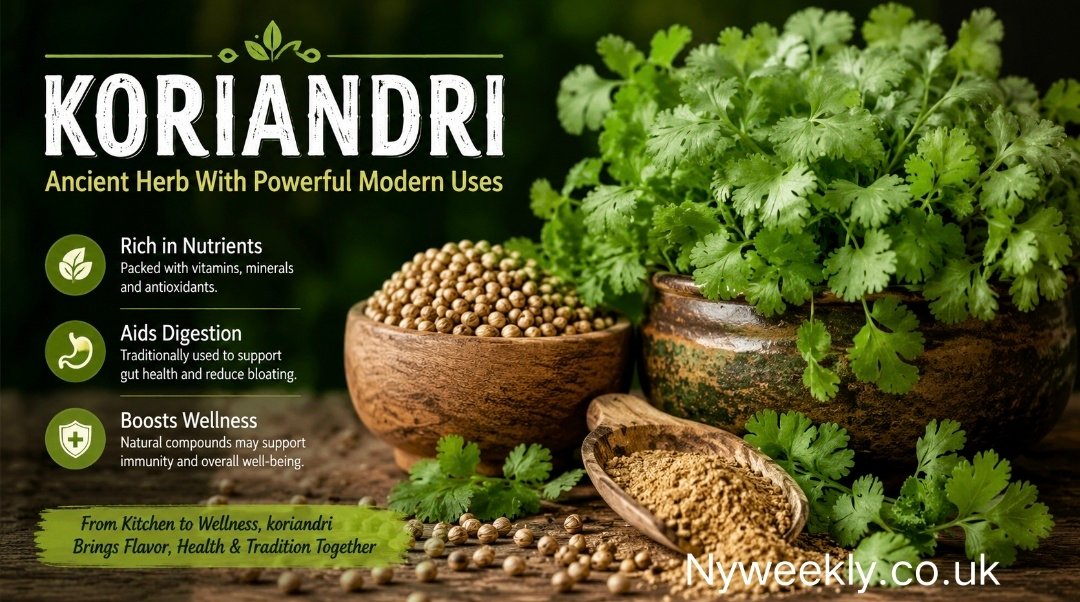
Across kitchens, herbal traditions, and food cultures around the world, few plants have earned as much admiration as koriandri. Known scientifically as coriander, this fragrant herb has been cultivated for thousands of years and remains one of the most widely used culinary plants on Earth. From the fresh green leaves added to spicy dishes to the aromatic seeds ground into warm spice blends, koriandri has become deeply connected to everyday cooking, traditional healing, and cultural identity.
What makes koriandri especially fascinating is its dual personality. The leaves offer a bright, citrus-like freshness, while the seeds produce a warm and slightly nutty flavor. This rare contrast gives the herb unusual versatility. Ancient Egyptians placed coriander seeds in tombs, Romans flavored bread and wine with it, and Asian cuisines transformed it into a central ingredient in soups, curries, and chutneys. Even today, koriandri continues to shape recipes in homes and restaurants across continents.
Beyond flavor, koriandri carries a long-standing reputation for supporting digestion, improving appetite, and providing valuable nutrients. Modern nutritional research has renewed interest in the herb, especially because it contains antioxidants, essential oils, vitamins, and plant compounds associated with wellness. Its ability to bridge ancient traditions with modern lifestyles is one reason why koriandri remains highly valued centuries after its first cultivation.
What Is koriandri
Koriandri is another name for the herb scientifically known as Coriandrum sativum, a member of the Apiaceae family, which also includes parsley, celery, and carrots. The plant produces delicate green leaves, pale flowers, and round seeds, all of which are edible and used in different ways. In many regions, the fresh leaves are called cilantro, while the dried seeds are known as coriander seeds. Although the terminology changes between countries, the plant itself remains the same.
READ MORE: babeltee and the Rise of Modern Tea Culture
The plant grows as an annual herb and usually reaches about 30 to 50 centimeters in height. Its leaves near the base appear broad and rounded, while upper leaves become thinner and feather-like as the plant matures. Once flowering begins, koriandri develops small white or pale pink blossoms that eventually form seeds. Those seeds are dried and used whole or ground into powder.
One reason koriandri attracts so much attention is because people experience its flavor differently. Many describe the leaves as refreshing and lemony, while others detect a soap-like taste. Researchers have connected this difference to genetic variations linked to scent receptors in the human body.
The Historical Journey of koriandri
The story of koriandri stretches back thousands of years into ancient civilizations. Archaeological discoveries show that coriander seeds existed in Egyptian tombs, including burial chambers associated with royalty. Historians believe the herb symbolized preservation, freshness, and even spiritual significance. Greek and Roman societies later embraced koriandri for both culinary and medicinal uses. Roman cooks added it to meats and breads, while physicians recommended it for digestive support.
Trade routes played a major role in spreading koriandri throughout Asia, Europe, North Africa, and eventually the Americas. Indian cuisine adopted it extensively, making it a central ingredient in spice mixtures and herbal preparations. Middle Eastern dishes integrated the seeds into stews and roasted meats, while Latin American cooking popularized fresh koriandri leaves in salsa and sauces.
Unlike many herbs that remained regionally limited, koriandri adapted successfully to different climates and cuisines. Its ability to complement spicy, savory, and fresh foods helped it become globally recognized long before modern international trade existed.
Why koriandri Has Such a Distinct Flavor
The unmistakable aroma of koriandri comes from its essential oils and natural compounds, particularly linalool and various aldehydes. These compounds create the herb’s citrusy, peppery, and slightly earthy character. Interestingly, the leaves and seeds contain different dominant compounds, which explains why they taste surprisingly different despite coming from the same plant.
Fresh koriandri leaves deliver a sharp brightness that cuts through rich foods and spicy dishes. This is why they are often used at the end of cooking rather than during long heating. The seeds, however, contain warmer notes that resemble citrus peel mixed with subtle sweetness. When toasted, the seeds release deeper aromas that enhance curries, soups, marinades, and roasted vegetables.
The flavor complexity of koriandri allows it to act as both a dominant ingredient and a supporting one. In some recipes it becomes the star, while in others it quietly balances stronger spices like cumin, chili, or garlic.
Culinary Importance of koriandri Around the World
Few herbs travel across culinary traditions as smoothly as koriandri. In Indian cuisine, it appears in fresh chutneys, curries, biryanis, and masala blends. Ground coriander seeds form a foundational spice in many regional dishes, adding warmth without overwhelming heat.
Mexican and Latin American foods rely heavily on fresh koriandri leaves. Salsa, tacos, soups, and grilled meat dishes often gain freshness from chopped coriander leaves added moments before serving. Southeast Asian cuisines also use koriandri generously in noodle soups, salads, and seafood preparations.
Middle Eastern cooking values koriandri seeds for their earthy depth. Spice mixtures used in lamb dishes, rice preparations, and roasted vegetables frequently contain coriander powder. European cuisines, particularly older traditional recipes, have long included coriander seeds in breads, sausages, and pickled foods.
The remarkable adaptability of koriandri explains why it continues to thrive in both traditional and modern cooking. It complements vegetarian dishes, seafood, meat, and even beverages without losing its identity.
Nutritional Value and Health Benefits of koriandri
Koriandri offers far more than flavor. The leaves contain vitamins A, C, and K, while the seeds provide minerals, antioxidants, and beneficial plant compounds. Traditional medicine systems have praised koriandri for centuries, and modern research increasingly supports many of those historical claims.
One of the herb’s most recognized qualities is its digestive support. Coriander seeds are commonly used in herbal teas and traditional remedies to reduce bloating and encourage healthy digestion. Many cultures also use koriandri after heavy meals because it may help soothe the stomach.
Its antioxidant content is another reason for growing interest in the herb. Antioxidants help protect cells from oxidative stress caused by unstable molecules in the body. Some studies suggest coriander compounds may also support heart health by influencing cholesterol levels and circulation.
Koriandri has also attracted attention for potential antibacterial and anti-inflammatory properties. Although it should never replace medical treatment, its natural compounds continue to be studied for their possible wellness benefits.
Growing koriandri at Home
One of the reasons koriandri remains popular is how easy it is to cultivate. The herb grows quickly and adapts well to gardens, balconies, and even indoor containers. Because both the leaves and seeds are useful, home gardeners often consider it a highly rewarding plant.
Koriandri prefers moderate temperatures and well-drained soil. Excessive heat can cause the plant to flower too early, reducing leaf production. Frequent harvesting of leaves encourages fresh growth, while allowing some plants to mature produces seeds that can later be dried and stored.
Many gardeners appreciate koriandri because it serves multiple purposes. The leaves provide fresh cooking ingredients, the flowers attract pollinators, and the seeds become valuable spices. This complete usability makes the plant especially practical for home cultivation.
koriandri in Traditional Medicine
Long before laboratories studied plant compounds, traditional healers already valued koriandri for its medicinal qualities. Ayurvedic medicine in India used coriander seeds to cool the body and support digestion. Middle Eastern herbal traditions recommended koriandri infusions for appetite and stomach discomfort. European herbalists historically believed coriander could calm the nervous system and freshen breath.
Ancient medical texts often described koriandri as both stimulating and soothing depending on preparation. Seeds were commonly boiled into teas, crushed into powders, or mixed into healing tonics. Even today, herbal practices in many countries continue using koriandri in natural wellness routines.
Although modern medicine requires scientific verification for health claims, the enduring use of koriandri across generations demonstrates how strongly cultures trusted the herb’s practical value.
Cultural Symbolism and Global Identity
Koriandri is more than a cooking ingredient. In many cultures, it represents freshness, hospitality, abundance, and tradition. Indian households often associate coriander leaves with home-cooked comfort meals, while Mediterranean recipes treat coriander seeds as symbols of warmth and heritage.
Ancient beliefs sometimes linked koriandri with love and protection. Historical records suggest that some societies considered coriander seeds lucky and even used them during ceremonies and celebrations.
The herb’s global identity also reflects migration and cultural exchange. As travelers, traders, and settlers moved between regions, koriandri traveled with them. Recipes evolved, but the herb consistently remained part of local culinary identity. Today, koriandri continues connecting cultures through shared flavors despite linguistic and regional differences.
Modern Interest in koriandri
Modern food culture has rediscovered koriandri with renewed enthusiasm. Fresh herbs have become increasingly valued in contemporary cooking, and koriandri fits perfectly into that trend because of its intense aroma and versatility. Health-conscious consumers also appreciate its nutrient profile and natural freshness.
Restaurants worldwide now use koriandri in fusion dishes that combine culinary traditions. Smoothies, herbal drinks, marinades, sauces, and wellness-focused recipes frequently include coriander leaves or seeds. Social media food culture has also contributed to renewed interest by highlighting fresh herbs as essential ingredients for vibrant meals.
Despite evolving food trends, koriandri remains grounded in tradition. Its continued popularity proves that truly versatile ingredients rarely disappear from human diets.
READ MORE: Gherkins: The Tiny Pickled Fruit With Global Flavor
Conclusion
Koriandri stands among the world’s most enduring and versatile herbs because it successfully combines flavor, nutrition, history, and cultural meaning. From ancient Egyptian tombs to modern kitchens, it has traveled through civilizations without losing relevance. Few plants offer such distinct uses from both leaves and seeds while maintaining strong connections to traditional medicine and global cuisine.
Its citrusy freshness, warming spice notes, and nutritional richness make koriandri valuable far beyond decoration or seasoning. Whether used in curries, soups, herbal teas, or home gardens, the herb continues to enrich everyday life in practical ways. The lasting popularity of koriandri proves that some ingredients survive not because of trends, but because they genuinely improve how people cook, eat, and experience food.
FAQs
What does koriandri taste like?
Koriandri leaves usually taste fresh, citrusy, and slightly peppery, while the seeds are warmer, nuttier, and mildly sweet. Some people genetically perceive the leaves as soap-like.
Is koriandri the same as coriander?
Yes, koriandri refers to coriander, scientifically known as Coriandrum sativum. In some countries, the leaves are called cilantro and the seeds are called coriander.
Can koriandri be grown at home?
Yes, koriandri grows easily in gardens, pots, and containers. It prefers moderate sunlight, regular watering, and well-drained soil.
Why is koriandri used in so many cuisines?
Koriandri adapts well to different flavors and cooking styles. Its leaves add freshness, while its seeds provide warmth and depth, making it useful in many dishes worldwide.
Are there health benefits linked to koriandri?
Koriandri contains vitamins, antioxidants, and plant compounds associated with digestion support, antioxidant protection, and overall wellness.
READ MORE: https://nyweekly.co.uk/

Health
babeltee and the Rise of Modern Tea Culture
Introduction
The global tea industry has changed dramatically over the last decade. Traditional tea drinking, once associated mainly with quiet routines and regional customs, has evolved into a creative lifestyle movement shaped by flavor innovation, visual branding, youth culture, and social experiences. Within this changing landscape, the term “babeltee” has started attracting curiosity among tea enthusiasts, creative beverage startups, and people interested in modern café culture.
Although babeltee is not yet as universally recognized as established beverage chains or mainstream tea labels, the keyword has increasingly appeared in conversations connected to bubble tea aesthetics, contemporary beverage branding, and creative tea-centered identity building. The popularity of bubble tea across Asia, Europe, and North America has created room for smaller concepts, independent tea brands, and experimental café ideas to emerge under unique names like babeltee.
Today, tea is no longer viewed only as a drink. It represents personality, lifestyle, design, customization, and community. That shift explains why names such as babeltee stand out. They feel modern, memorable, and culturally adaptable. Consumers now pay attention not only to flavor but also to atmosphere, storytelling, presentation, and emotional connection.
The rise of visually engaging beverage culture has transformed tea into an experience-driven market. From flavored tapioca pearls to fruit infusions and premium milk blends, modern tea businesses focus heavily on creativity and identity. In that environment, babeltee reflects the broader movement toward imaginative tea culture rather than merely another beverage name.
What Is babeltee
The term babeltee appears to represent a modern tea-related identity connected to bubble tea culture, creative beverage branding, and contemporary café aesthetics. Publicly available information about babeltee remains limited, which suggests it may still be emerging as a niche concept, startup identity, online project, or community-driven tea brand rather than a globally established company.
READ MORE: Gherkins: The Tiny Pickled Fruit With Global Flavor
The structure of the word itself combines a playful, modern naming style with clear references to tea culture. Many newer beverage brands intentionally create distinctive names to stand apart in a crowded market where visual recognition and memorability matter greatly. Names like babeltee fit well within current trends seen across bubble tea businesses, lifestyle cafés, and youth-oriented beverage marketing.
In recent years, bubble tea culture has expanded far beyond Taiwan, where the drink originally gained popularity. International tea businesses now experiment with branding styles that mix entertainment, social media appeal, colorful packaging, and creative storytelling. babeltee seems connected to this larger transformation of tea culture into an expressive lifestyle experience.
What makes terms like babeltee interesting is their flexibility. They can function as a café identity, a product label, a creative media concept, or even an online community focused on modern tea experiences. That adaptability reflects how contemporary food and beverage culture increasingly blends commerce with personality and visual identity.
The Cultural Influence Behind babeltee
Modern tea culture is deeply shaped by globalization. Bubble tea shops today appear in shopping districts, universities, entertainment areas, and urban food hubs across the world. Consumers are no longer satisfied with standard beverages. They seek personalized combinations, distinctive flavors, and experiences that feel unique and shareable.
babeltee fits naturally into this environment because contemporary beverage branding often relies on emotional resonance rather than traditional naming conventions. Modern tea consumers are attracted to names that sound youthful, creative, artistic, or internationally adaptable. The word itself carries a rhythmic and memorable quality that aligns with current branding preferences in café culture.
The success of bubble tea businesses worldwide has encouraged experimentation in both product design and visual presentation. Shops now focus on illustrated logos, themed packaging, mascot branding, and immersive café interiors. Creative tea-related identities gain attention because they create a recognizable atmosphere beyond the beverage itself.
This cultural transformation has changed consumer expectations. People often visit tea cafés not only for refreshment but also for social interaction, photography, remote work, relaxation, and entertainment. A modern identity like babeltee therefore represents more than a product name. It symbolizes participation in a broader lifestyle movement centered around creativity and experience.
Why Unique Tea Branding Matters Today
The beverage industry has become intensely competitive. Thousands of tea cafés and beverage startups now compete for customer attention. Because flavors can often be replicated, branding has become one of the most powerful ways to create distinction.
babeltee reflects the importance of originality in a market saturated with generic names and repetitive concepts. Unique branding helps consumers remember a business, connect emotionally with it, and share it online. In modern café culture, visual memorability can be just as important as flavor quality.
The rise of social media has accelerated this trend dramatically. Drinks with attractive colors, layered textures, artistic toppings, and stylish packaging often gain attention quickly. Businesses now design beverages with photography and visual sharing in mind. This explains why creative names associated with modern tea culture continue growing in popularity.
Consumers also increasingly value authenticity. Younger audiences prefer brands that feel personal, independent, artistic, or community-driven rather than overly corporate. A name like babeltee sounds approachable and contemporary, which can create stronger emotional engagement among customers seeking fresh experiences.
This shift has influenced not only cafés but also tea packaging, merchandise, and beverage marketing campaigns. Creative identity design has become central to success in the tea industry.
The Connection Between babeltee and Bubble Tea Trends
Bubble tea remains one of the strongest influences on modern tea culture. Originally popularized in Taiwan, bubble tea evolved from a regional beverage into a global phenomenon that reshaped café experiences worldwide.
The industry’s expansion introduced consumers to tapioca pearls, fruit teas, milk teas, cheese foam toppings, flavored syrups, and customizable drink combinations. Modern tea culture became highly interactive because customers could personalize sweetness levels, ice quantities, toppings, and flavors.
babeltee appears closely aligned with these contemporary trends. The keyword evokes the playful, energetic, and creative atmosphere commonly associated with bubble tea businesses. Around the world, tea cafés increasingly emphasize individuality and artistic branding to differentiate themselves from competitors.
One of the most significant developments in bubble tea culture is the blending of local tastes with international inspiration. Businesses now adapt drinks for regional markets while maintaining the visual excitement that made bubble tea globally recognizable. This adaptability has helped modern tea concepts spread rapidly across different cultures.
Consumers are also becoming more experimental. Traditional milk tea remains popular, but people increasingly seek seasonal flavors, fusion recipes, fruit-based infusions, and specialty ingredients. In this evolving environment, identities like babeltee reflect innovation and openness to creative beverage experimentation.
The Role of Visual Identity in babeltee Culture
Visual storytelling has become essential in the modern beverage industry. Successful tea brands rarely rely only on taste. They create a complete sensory identity involving color schemes, packaging, typography, café interiors, and online presentation.
babeltee represents this visual-first era of tea branding. Modern consumers often encounter beverage brands online before visiting a physical location. As a result, aesthetics heavily influence customer interest and loyalty.
Minimalist packaging, pastel color palettes, animated mascots, and playful typography have become common within contemporary tea branding. These elements help businesses create emotional familiarity and distinguish themselves from competitors. Creative tea branding also encourages customer-generated content, which increases visibility naturally.
Another important factor is atmosphere. Many successful tea cafés now function as lifestyle spaces where people gather socially, study, work, or relax. Interior design, music, lighting, and presentation contribute significantly to customer experience. Names like babeltee work effectively in these environments because they sound modern, artistic, and adaptable to visual storytelling.
This transformation reflects broader changes in consumer behavior. Today’s audiences increasingly value experience-driven businesses that combine products with emotional and aesthetic appeal.
How Modern Consumers Shape Tea Innovation
Consumer preferences now evolve faster than ever. Beverage businesses must respond quickly to changing tastes, health awareness, and cultural trends. This constant evolution drives innovation across the tea industry.
Many customers today look for beverages that balance indulgence with freshness. Fruit-based teas, lighter milk options, reduced sugar recipes, and natural ingredients have gained popularity. Tea brands continuously experiment to satisfy these changing expectations while maintaining visual appeal and flavor complexity.
babeltee reflects the flexibility required in this market. Modern tea culture rewards brands that can adapt creatively without losing identity. Businesses that succeed often combine traditional tea foundations with modern presentation and experimental flavors.
Community engagement also matters greatly. Customers increasingly support brands that create interaction through themed menus, seasonal campaigns, collaborative events, and online storytelling. Tea culture has become deeply connected to community participation and shared experiences.
Technology has further accelerated this evolution. Mobile ordering, influencer marketing, short-form videos, and visually driven content have transformed how beverage brands communicate with audiences. Modern tea identities must therefore function effectively both offline and online.
Challenges Facing Emerging Tea Brands
Despite the excitement surrounding modern tea culture, emerging concepts like babeltee face significant challenges. The beverage market moves quickly, and maintaining long-term relevance requires continuous innovation.
Competition is one of the largest obstacles. Consumers have access to countless beverage options ranging from independent cafés to international chains. New brands must offer more than novelty. They need consistent quality, recognizable identity, and meaningful customer engagement.
Ingredient sourcing also presents difficulties. High-quality tea leaves, toppings, syrups, and specialty ingredients can become expensive, especially for smaller businesses. Maintaining consistency across products requires careful operational planning.
Another challenge involves balancing creativity with authenticity. Some brands focus heavily on appearance while neglecting flavor quality. Consumers today are increasingly knowledgeable and can quickly recognize when presentation outweighs substance.
babeltee, like many modern tea-centered identities, must navigate these industry realities while building a recognizable presence. The brands that endure are usually those that combine originality with reliability.
The Future of babeltee and Contemporary Tea Culture
The future of tea culture appears highly dynamic. Bubble tea continues expanding globally, while consumers increasingly embrace experimental beverage experiences. This environment creates opportunities for emerging identities like babeltee to evolve creatively.
One likely trend is greater emphasis on customization and personalization. Consumers increasingly want beverages tailored to their preferences, dietary choices, and flavor interests. Tea brands that provide flexible and interactive experiences will likely remain influential.
Sustainability is also becoming more important. Customers now pay closer attention to packaging waste, ingredient sourcing, and environmental responsibility. Future tea businesses may need to prioritize eco-conscious practices alongside visual branding and flavor innovation.
Another major trend involves cultural fusion. Modern tea culture frequently blends influences from different regions, creating hybrid drinks and globally inspired café experiences. This openness to experimentation allows creative identities like babeltee to remain adaptable and culturally relevant.
The emotional side of tea culture will likely continue growing as well. Consumers increasingly seek comfort, creativity, and connection through food and beverage experiences. Tea cafés now function as social environments that support conversation, relaxation, and personal expression.
READ MORE: Obstetrika and the Evolving Science of Safe Childbirth
Conclusion
babeltee reflects the changing identity of modern tea culture. While publicly available information about the term remains limited, its style and cultural associations connect strongly with the creative evolution of bubble tea branding, café aesthetics, and experience-driven beverage culture.
The global tea industry is no longer defined only by traditional rituals or conventional products. Today, tea represents innovation, creativity, lifestyle, and emotional connection. Consumers want more than refreshment. They seek atmosphere, personalization, visual appeal, and memorable experiences.
That shift explains why unique identities like babeltee attract attention. They represent the modern direction of beverage culture where storytelling, design, flavor experimentation, and community engagement all matter deeply. As tea culture continues expanding worldwide, emerging concepts built around creativity and adaptability may play an increasingly important role in shaping the industry’s future.
FAQs
What does babeltee refer to?
babeltee appears to be a modern tea-related term associated with contemporary bubble tea culture, creative branding, and café-style beverage identity.
Is babeltee a bubble tea brand?
Public information about babeltee is limited, but the keyword strongly connects with modern bubble tea aesthetics and branding culture.
Why are unique tea brand names becoming popular?
Unique names help beverage businesses stand out in a competitive market while creating stronger emotional and visual connections with customers.
How has bubble tea changed global tea culture?
Bubble tea introduced customization, colorful presentation, creative toppings, and social café experiences that transformed tea into a modern lifestyle trend.
What makes modern tea culture different from traditional tea culture?
Modern tea culture focuses heavily on personalization, visual identity, social experiences, experimental flavors, and creative branding alongside traditional tea enjoyment.
READ MORE: https://nyweekly.co.uk/

Health
Obstetrika and the Evolving Science of Safe Childbirth
Introduction
Pregnancy and childbirth have always carried deep emotional, cultural, and medical significance. Across centuries, societies developed different methods to care for mothers during pregnancy, labor, and recovery. Today, the field known as obstetrika stands at the center of maternal and fetal healthcare, combining medical science, preventive care, surgical expertise, and emotional support to improve outcomes for both mother and child.
Obstetrika is far more than the management of labor. It is a broad medical discipline focused on monitoring pregnancy from the earliest stages, identifying complications before they become dangerous, guiding safe delivery, and supporting postpartum recovery. The field has transformed dramatically through advances in prenatal imaging, genetics, surgical techniques, infection control, and neonatal medicine. These improvements have reduced maternal mortality rates in many parts of the world and have helped physicians better understand the complex relationship between maternal health and fetal development.
In modern healthcare systems, obstetrika also reflects a growing awareness that pregnancy is not a one-size-fits-all experience. Every pregnancy carries its own medical, emotional, and social circumstances. Because of this, obstetric care increasingly emphasizes individualized treatment plans, mental health support, nutritional counseling, and risk-based monitoring. The result is a more comprehensive approach that protects both physical and psychological well-being during one of the most vulnerable periods of human life.
What Is Obstetrika
Obstetrika is the branch of medicine that specializes in pregnancy, childbirth, and postpartum care. The discipline focuses on monitoring the health of the pregnant individual and the developing fetus while preparing for safe labor and delivery. It also includes the diagnosis and treatment of complications that may arise before, during, or after childbirth.
READ MORE: kääbikud Through Myth, Language, and Modern Imagination
The term is closely associated with obstetrics, though in many regions the word obstetrika is used in academic, clinical, or linguistic contexts connected to maternal medicine. Specialists working in obstetrika are trained to handle both routine pregnancies and high-risk conditions such as preeclampsia, gestational diabetes, premature labor, placental abnormalities, and fetal distress.
One of the defining characteristics of obstetrika is its dual focus. Physicians must simultaneously care for two interconnected patients: the mother and the unborn child. This creates a highly specialized medical environment where decisions must balance maternal safety with fetal health. Because of this complexity, obstetrika requires deep knowledge of anatomy, endocrinology, surgery, neonatology, genetics, and emergency medicine.
The Historical Foundations of Obstetrika
The roots of obstetrika stretch back thousands of years. Ancient civilizations relied heavily on midwives and traditional birth attendants who learned through observation and experience rather than formal medical education. In many cultures, childbirth was considered a domestic event managed within the community rather than inside hospitals.
The scientific transformation of obstetrika began during the eighteenth and nineteenth centuries when physicians started studying maternal anatomy and childbirth complications in a more systematic way. The introduction of antiseptic techniques dramatically reduced infections that once killed countless mothers after delivery. Later developments such as anesthesia changed the childbirth experience by reducing pain during labor and surgical procedures.
The twentieth century marked a turning point for obstetrika. Hospitals became safer environments for delivery, blood transfusions improved emergency care, and cesarean sections became more reliable. Ultrasound technology later revolutionized prenatal medicine by allowing physicians to observe fetal growth and identify abnormalities before birth.
Despite modern advancements, historical lessons remain important. Many of the breakthroughs in obstetrika emerged because physicians recognized the devastating impact of preventable maternal deaths. That awareness continues to shape modern maternal healthcare policies worldwide.
Prenatal Care and the Role of Early Monitoring
One of the most important responsibilities in obstetrika is prenatal care. Regular monitoring during pregnancy allows healthcare professionals to detect problems early and reduce the likelihood of serious complications later.
Prenatal visits typically include blood pressure checks, fetal growth measurements, laboratory testing, nutritional guidance, and fetal heartbeat monitoring. Physicians also evaluate risk factors such as hypertension, diabetes, obesity, infections, and previous pregnancy complications. Early identification of these risks can significantly improve outcomes.
Modern obstetrika increasingly relies on advanced imaging and screening technologies. Ultrasound examinations help assess fetal anatomy, placental position, and amniotic fluid levels. Genetic screening can identify chromosomal conditions or inherited disorders that may require specialized care during pregnancy or after birth.
Prenatal care also extends beyond physical examinations. Emotional health has become an increasingly important part of obstetrika because stress, anxiety, and depression can influence pregnancy outcomes. Many healthcare systems now encourage psychological screening and emotional support as part of comprehensive maternal care.
High-Risk Pregnancies in Obstetrika
Not all pregnancies follow a predictable course. High-risk pregnancies require specialized observation and intervention to protect maternal and fetal health. Obstetrika plays a critical role in managing these medically complex situations.
Conditions such as preeclampsia can rapidly become life-threatening if left untreated. This disorder causes dangerously high blood pressure and may damage organs including the liver and kidneys. Gestational diabetes presents another challenge, as uncontrolled blood sugar levels can affect fetal growth and increase delivery complications.
Multiple pregnancies involving twins or triplets also demand careful monitoring because they carry higher risks of premature birth and placental complications. Advanced maternal age, autoimmune diseases, cardiovascular disorders, and infections further increase the complexity of obstetric management.
In these cases, obstetrika often becomes a collaborative field involving neonatologists, cardiologists, endocrinologists, anesthesiologists, and surgeons. Multidisciplinary coordination is essential because maternal and fetal conditions can change rapidly during pregnancy and labor.
Labor, Delivery, and Clinical Decision-Making
Labor is one of the most closely monitored stages in obstetrika because complications can develop unexpectedly. During labor, healthcare providers track fetal heart patterns, contraction strength, cervical dilation, and maternal vital signs to ensure safe progression.
Physicians must make rapid decisions when labor becomes prolonged or fetal distress appears. Assisted delivery methods such as vacuum extraction or forceps may sometimes be required. In more urgent situations, cesarean delivery becomes necessary to protect the mother or child.
The growing global rate of cesarean sections has sparked ongoing debate within obstetrika. While cesarean surgery can save lives, unnecessary surgical intervention may increase recovery time and future pregnancy risks. As a result, many specialists advocate for balanced decision-making that avoids both excessive intervention and dangerous delays.
Pain management has also evolved significantly. Epidural anesthesia is widely used to reduce labor pain while allowing mothers to remain conscious and involved during delivery. However, obstetrika increasingly recognizes the importance of respecting individual birth preferences, cultural expectations, and informed consent throughout the childbirth process.
Technological Innovation in Obstetrika
Technology has reshaped nearly every aspect of obstetrika. Real-time fetal monitoring systems now provide continuous data during labor, helping physicians detect distress earlier than ever before. Portable ultrasound devices have expanded access to prenatal imaging even in remote areas.
Artificial intelligence is beginning to influence obstetric medicine as well. Researchers are developing predictive systems that analyze patient data to identify risks for premature birth, fetal growth restriction, and maternal complications. These technologies may eventually help physicians intervene before emergencies occur.
Minimally invasive fetal surgery represents another remarkable development. In selected cases, surgeons can now treat certain fetal abnormalities before birth. Although still highly specialized, these procedures demonstrate how far obstetrika has advanced from its historical origins.
Telemedicine has further expanded maternal healthcare access, particularly for patients living far from specialized hospitals. Remote consultations allow physicians to monitor pregnancies, review test results, and provide guidance without requiring frequent travel. This has become especially valuable in underserved regions where maternal healthcare resources remain limited.
The Emotional and Psychological Dimensions of Childbirth
Obstetrika is often viewed through a purely medical lens, yet childbirth also carries immense emotional significance. Fear, uncertainty, joy, grief, and anxiety can all coexist during pregnancy and labor.
Postpartum depression remains one of the most serious yet underrecognized challenges in maternal health. Some individuals experience emotional distress severe enough to interfere with bonding, daily functioning, and personal safety. Modern obstetrika increasingly acknowledges that emotional recovery deserves as much attention as physical healing.
Traumatic birth experiences can also leave lasting psychological effects. Emergency interventions, pregnancy loss, premature delivery, or severe complications may lead to anxiety disorders or post-traumatic stress symptoms. Because of this, many healthcare institutions now encourage compassionate communication, patient-centered care, and mental health follow-up after delivery.
Family involvement has become another major consideration. Supportive partners and family networks can significantly improve emotional resilience during pregnancy and postpartum recovery. Obstetrika therefore extends beyond hospital procedures into broader social and psychological support systems.
Global Challenges Facing Obstetrika
Despite medical progress, major inequalities still exist in maternal healthcare worldwide. In many low-resource regions, preventable complications continue to claim the lives of mothers and newborns due to limited access to skilled healthcare professionals, emergency transportation, and essential medications.
Hemorrhage, infection, obstructed labor, and hypertensive disorders remain leading causes of maternal death in underserved communities. Many of these deaths could be prevented through timely obstetric intervention and proper prenatal care.
Obstetrika also faces ethical and legal challenges involving reproductive rights, access to emergency care, maternal autonomy, and fetal medicine. Cultural beliefs and healthcare policies strongly influence how pregnancy care is delivered across different societies.
Climate change and public health crises have added further pressure on maternal healthcare systems. Extreme heat, infectious disease outbreaks, and strained hospital resources can disproportionately affect pregnant individuals. These global realities highlight the need for resilient healthcare systems capable of protecting vulnerable populations during emergencies.
Education and Training in Obstetrika
Training in obstetrika is demanding because practitioners must master both routine care and medical emergencies. Medical students and residents spend years studying reproductive physiology, fetal development, surgical techniques, and neonatal care before practicing independently.
Simulation-based learning has become increasingly common in obstetric education. Trainees participate in realistic emergency scenarios involving hemorrhage, fetal distress, and complicated deliveries. These simulations improve decision-making and teamwork under pressure.
Communication skills are equally important. Obstetrika requires physicians to explain complex risks, support emotionally distressed families, and guide patients through difficult decisions. Technical expertise alone is not enough. Compassion, patience, and trust are essential components of effective maternal care.
Continuous education also remains necessary because medical guidelines evolve constantly. New research continues to reshape recommendations related to labor induction, fetal monitoring, medication safety, and postpartum management.
READ MORE: onnilaina and the Quiet Evolution of Online Expression
Conclusion
Obstetrika represents one of the most vital and emotionally profound areas of medicine. It exists at the intersection of science, surgery, psychology, ethics, and human experience. From prenatal monitoring to emergency intervention and postpartum recovery, the field plays a central role in protecting the lives of mothers and children.
The evolution of obstetrika reflects humanity’s broader progress in healthcare. What was once an unpredictable and frequently dangerous life event has become significantly safer because of scientific research, improved technology, and specialized medical training. Yet the field continues to face serious global challenges, particularly in regions where access to quality maternal care remains limited.
As medical knowledge advances, obstetrika is likely to become even more personalized and preventive. Innovations in genetics, artificial intelligence, fetal surgery, and remote healthcare may reshape how pregnancy care is delivered in the future. Even with these technological advances, however, the heart of obstetrika will remain deeply human. At its core, the discipline is about safeguarding life during one of the most transformative moments a person can experience.
FAQs
What does obstetrika focus on?
Obstetrika focuses on pregnancy, childbirth, and postpartum care. It includes monitoring maternal and fetal health, managing labor, and treating pregnancy-related complications.
Is obstetrika different from gynecology?
Yes. Obstetrika mainly deals with pregnancy and delivery, while gynecology focuses on the broader health of the female reproductive system outside pregnancy.
Why is prenatal care important in obstetrika?
Prenatal care helps detect medical problems early, supports healthy fetal development, and reduces the risk of serious complications during pregnancy and childbirth.
What are common complications managed in obstetrika?
Common complications include preeclampsia, gestational diabetes, premature labor, placental disorders, fetal distress, and postpartum hemorrhage.
How has technology improved obstetrika?
Technology has improved obstetrika through advanced ultrasound imaging, fetal monitoring systems, genetic screening, telemedicine, and safer surgical procedures that enhance maternal and newborn care.
READ MORE: https://nyweekly.co.uk/

-
Technology1 week ago01782692110: Who Called You From This Number? Everything You Need to Know
-
Technology1 week agoWho Called Me from 08004970623? The Complete Truth in 2026
-
Technology1 week ago03316304597: Everything You Need to Know About This Ufone Number and Pakistan’s Mobile Network System
-
Blogs1 week agoWho Is Calling from 03316303180? Everything You Need to Know Before You Answer
-
Technology1 week ago02033222305: Is It Really Amazon Calling You — or a Sophisticated Scam?
-
Technology1 week ago03316302561: Who Called You? The Complete Truth About This UK Number
-
Celebrity6 days agoGlynn Daly: The Private Star Behind One of Hollywood’s Most Celebrated Families
-
Technology4 days agocasîo and the Timeless Reinvention of Everyday Technology